
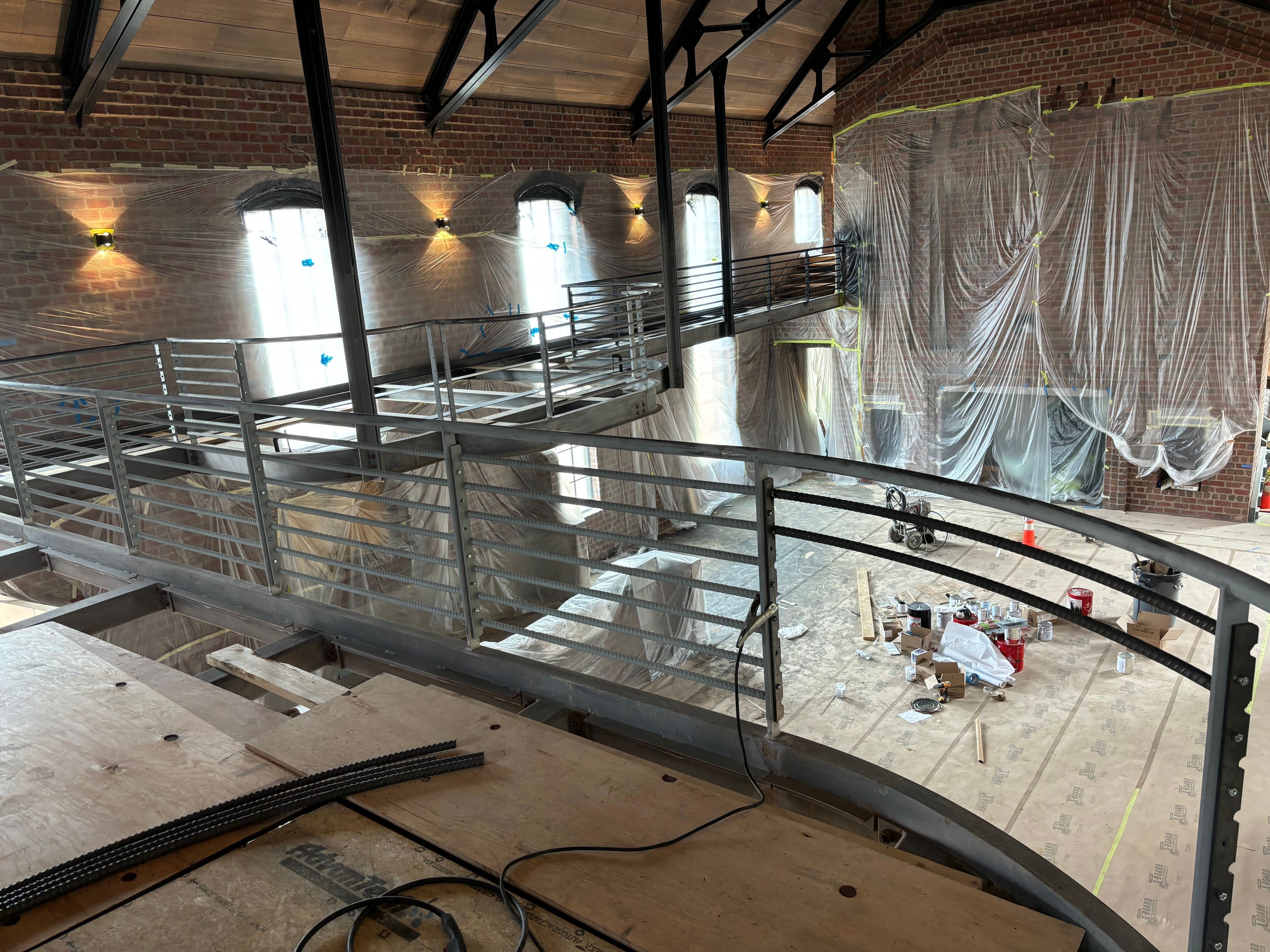
Blacksmith vs. Welder: What's the Difference?
They both work with metal, but the methods, tools, and outcomes are fundamentally different. Understanding when you need a blacksmith versus a fabricator.
The Question I Hear Most Often
"So you're a welder, right?"
I hear it at least once a week. Sometimes from potential clients, sometimes at the hardware store, sometimes at dinner parties when someone asks what I do. And I understand the confusion—both blacksmiths and welders work with metal, both use heat, both create things that didn't exist before. But the similarities end there.
The distinction matters, especially if you're commissioning custom architectural metalwork for your home. Hire a welder when you need a blacksmith, and you'll get something functional but lifeless. Hire a blacksmith when you need a welder, and you'll pay far more than necessary for simple connections. Understanding the difference saves money, time, and disappointment.
What Blacksmiths Actually Do
Blacksmiths are shapers. We take raw material—typically steel in various forms—and transform it through heat and hammering into forms that didn't exist before. The forge, where we heat steel to 2000°F or higher, makes the metal plastic enough to move under hammer blows. The anvil provides the resistant surface. The hammer delivers the force. And the blacksmith's skill determines what emerges.
This process is ancient. For thousands of years, blacksmiths have created everything from weapons and armor to architectural elements and tools. The fundamental techniques—drawing out (lengthening), upsetting (thickening), bending, twisting, punching, slitting—haven't changed significantly since the Iron Age. What has changed is the application, and the continued relevance of these techniques for custom work.
When I forge a railing scroll, I'm not cutting a shape from a sheet and welding it together. I'm heating a bar of solid steel and gradually curving, tapering, and refining it until it becomes that scroll. The grain structure of the steel follows the curve, creating strength that no welded assembly can match. The surface shows the marks of the tools, the slight irregularities that prove human hands shaped it.
What Welders Actually Do
Welders are joiners. They take pre-formed pieces of metal and fuse them together using heat. The most common modern techniques—SMAW (stick welding), GMAW (MIG), GTAW (TIG)—use electric arcs to create intense localized heat that melts the base metal and filler material, creating a continuous joint when cooled.
Welding is a 20th-century technology, made practical by the development of reliable electrical systems and shielding gases. It revolutionized construction and manufacturing by allowing rapid assembly of complex structures from standardized components. Without welding, modern skyscrapers, ships, and automobiles would be impossible.
The welder's skill lies in controlling the arc, managing heat input, ensuring proper penetration, and creating joints that are strong and defect-free. It's precise work, demanding good hand-eye coordination and understanding of metallurgy. But it's fundamentally different from shaping—welders work with forms that already exist, connecting them rather than creating them.
When You Need Each One
For architectural metalwork, the choice depends on what you're trying to achieve.
**You need a blacksmith when:** - You want custom shapes that don't exist as stock items - You value the character of hand-forged surfaces - You want traditional joinery techniques (rivets, tenons, collars) - The piece needs to feel like it grew rather than was assembled - You want something truly one-of-a-kind
**You need a welder when:** - You're connecting standard structural shapes (angles, channels, tubes) - Speed and cost are primary concerns - The work will be hidden or painted - You're repairing existing metalwork - You need field modifications during installation
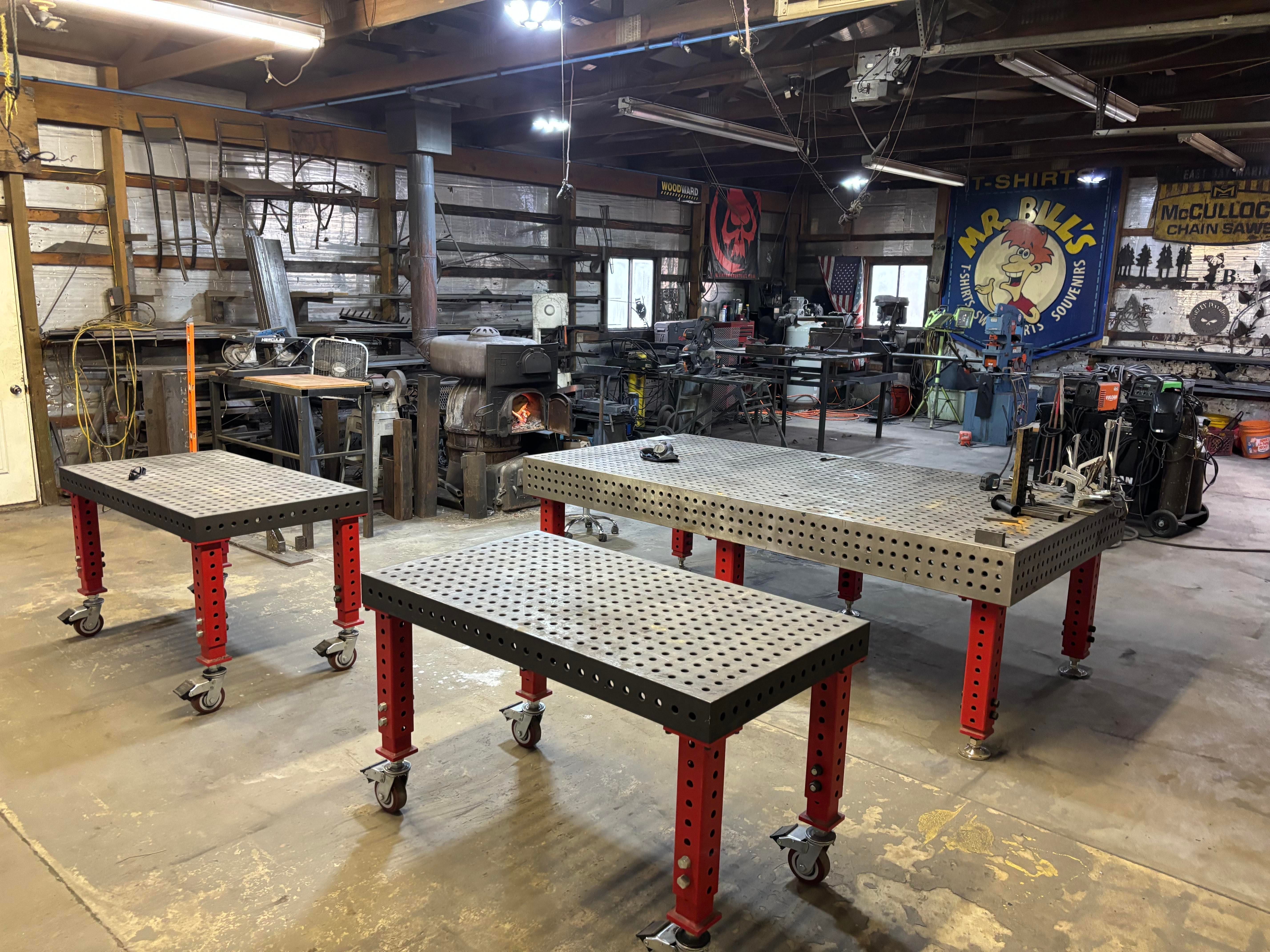
Most modern "metal fabrication" shops are essentially welding operations. They cut stock material with saws or plasma torches, then weld the pieces together. This is efficient and appropriate for many applications. But it's not blacksmithing, and the results look different.
Why the Distinction Matters for Homeowners
If you're building a custom home or renovating an existing one, you'll likely encounter both disciplines. Your structural steel contractor will probably be a welder-fabricator, assembling standard beams and columns. But for visible architectural elements—stair railings, gates, fireplace surrounds, decorative brackets—choosing a blacksmith versus a welder-fabricator produces dramatically different results.
A welded railing from a fabrication shop will use stock components: standard scrolls bought from a catalog, tube steel posts, pre-formed balusters. It will be functional and reasonably priced, but it will look like thousands of other railings. Every curve will be identical, every surface perfectly smooth, every connection hidden behind grinding and filler.
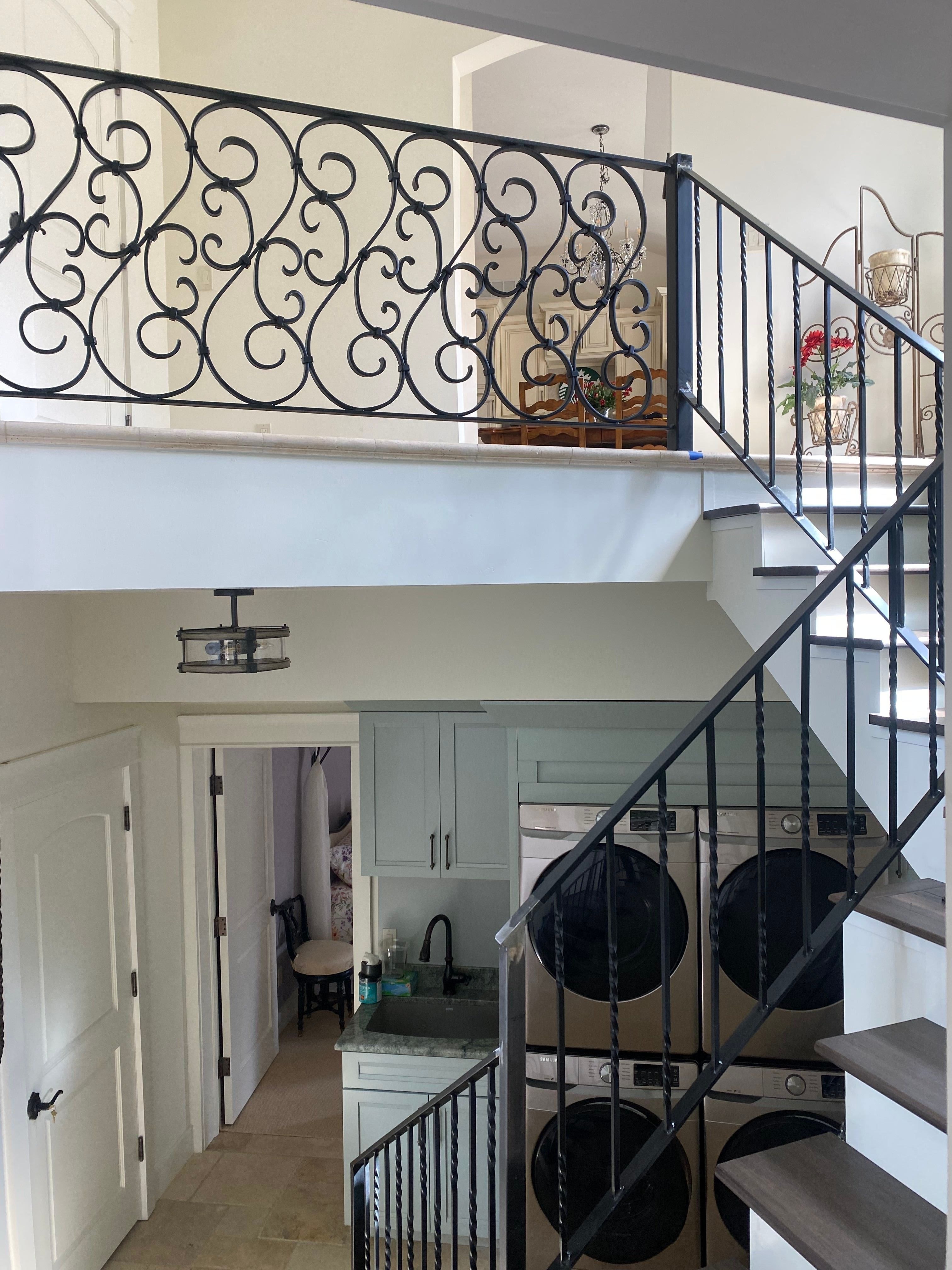
A hand-forged railing will be unique. The scrolls will vary slightly, reflecting the blacksmith's decisions in the moment. The posts will be shaped from solid steel, perhaps tapered or textured. The connections will be visible evidence of joinery—rivets, collars, or forge welds that become decorative elements. The surface will invite touch, revealing the work's history.
The Training Divide
Becoming a competent welder takes months to a few years, depending on the processes you need to master. Certification programs exist at technical schools and community colleges. You can learn enough TIG welding to do structural work in six months of dedicated practice.
Becoming a competent blacksmith takes decades. The physical skills—hammer control, heat judgment, tool handling—require years to develop. The design sense, understanding how three-dimensional forms emerge from flat stock, develops slowly through thousands of projects. I've been forging for over twenty-five years, and I'm still learning.
This difference in training time reflects the difference in scope. Welding is a specific skill; blacksmithing is a comprehensive craft encompassing design, metallurgy, tool making, and multiple forming techniques.
Making the Right Choice
When interviewing someone for your architectural metalwork project, ask about their background and techniques. If they describe cutting and welding stock components, they're a fabricator. If they describe forging from raw stock, heating and hammering, traditional joinery, they're a blacksmith.
Neither is inherently better—welding is the right choice for many applications. But for custom architectural metalwork where character and uniqueness matter, blacksmithing offers something that welding cannot replicate.
At Matt Coffey Design, we work primarily as blacksmiths because that's where our expertise lies and that's what our clients value. But we also weld when appropriate, because the crafts aren't mutually exclusive. A good blacksmith must be a competent welder; the reverse isn't necessarily true.
The question isn't which is superior. The question is which is appropriate for your specific project and your specific values. Understanding the difference lets you make that choice with confidence.
Understanding the fundamental differences between these two metalworking disciplines.
| Attribute | Blacksmith | Welder |
|---|---|---|
| Primary Tool | Forge + anvil + hammers | Arc welder or gas torch |
| Process | Shaping via heat + hammer | Joining via fusion |
| Output | One-of-a-kind shapes | Assemblies from stock |
| Training | Years of apprenticeship | Certification courses |
| Material Temperature | 2000°F+ for shaping | Melting point at joint |
| Typical Projects | Railings, gates, art, furniture | Structural joins, pipe, repair |
| Surface Character | Hammer texture, hand-forged marks | Smooth, ground welds |
| Cost | Higher per piece | Lower per joint |
Subscribe to the Journal
Receive new articles on craft, materials, and architectural metalwork directly to your inbox. No spam, just forged insights.
Ready to Create Something Lasting?
Let's discuss how traditional metalworking techniques can bring your architectural vision to life.
Start Your Project