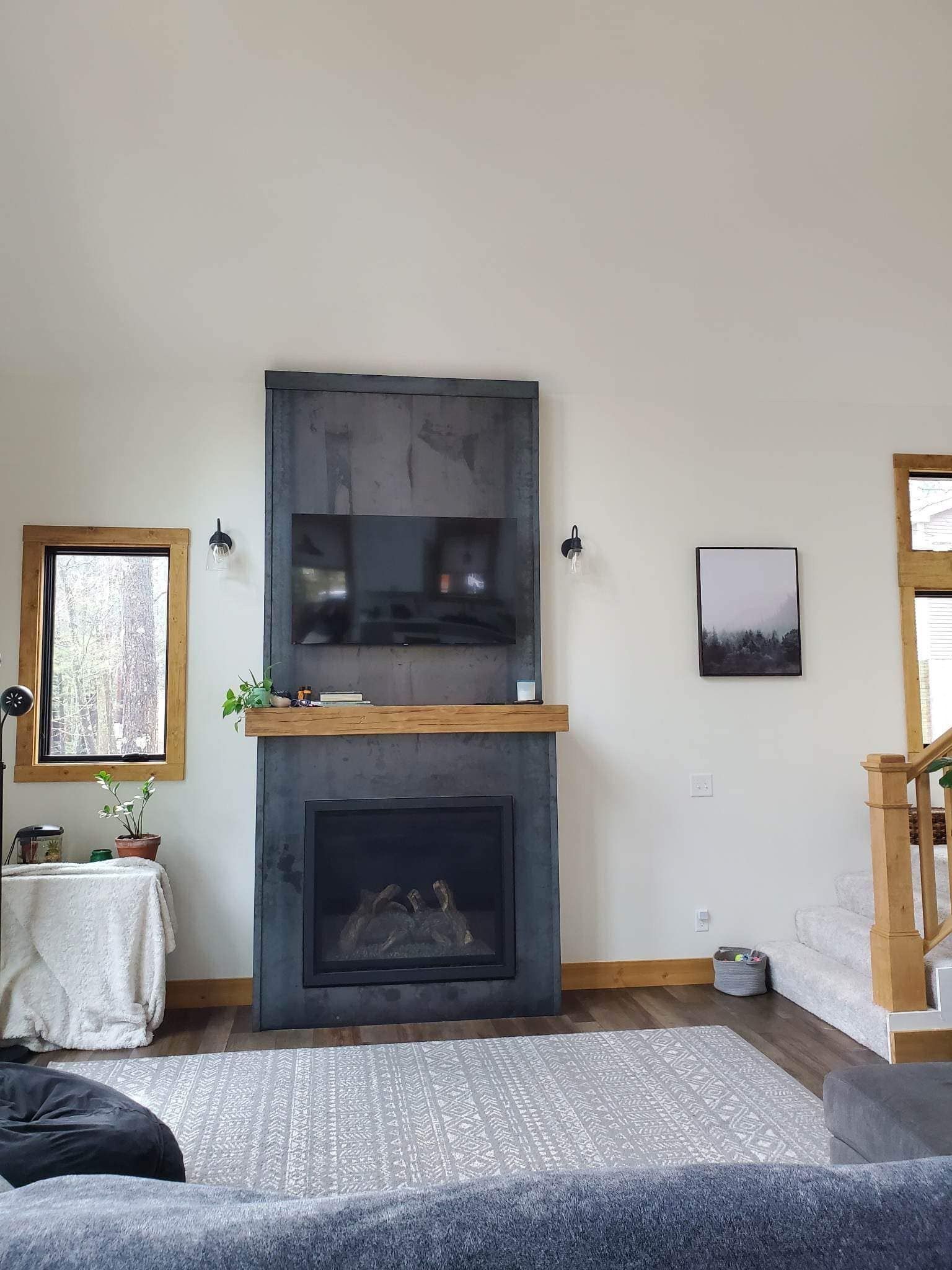
Matt Coffey Design is a custom architectural metalwork studio in Traverse City, Michigan, led by master blacksmith Matt Coffey. With 25+ years and 1,500+ commissions, the forge specializes in hand-forged railings, gates, furniture, doors, signage, and structural steel for residential and commercial clients across Northern Michigan.
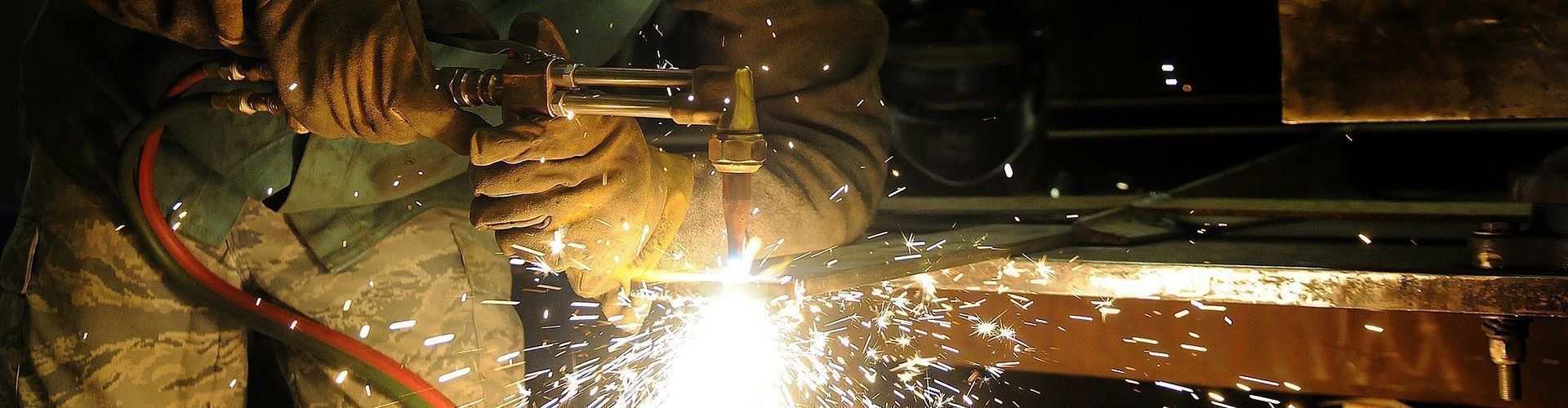
Custom Architectural Metalwork in Traverse City, Michigan — Heavy Intent.
Master metalwork native to Northern Michigan. 25 years at the anvil crafting custom architectural steel, bronze, and structural art.
Why Choose Custom Forged Steel Over Prefabricated?
In an era of mass production and hollow-core metals, authentic blacksmithing offers something increasingly rare: permanence. When a client commissions a custom railing, gate, or architectural centerpiece, they aren't just purchasing a functional barrier. They are investing in site-specific art forged to the exact topography of their property.
Prefabricated components—often cold-rolled and fastened with cheap hardware—lack the structural integrity and aesthetic gravity of solid steel. Each piece crafted in our Traverse City forge carries the distinctive hammer marks and joinery of traditional metalwork, ensuring it stands as a multi-generational asset to your architecture.
Signature Specialties
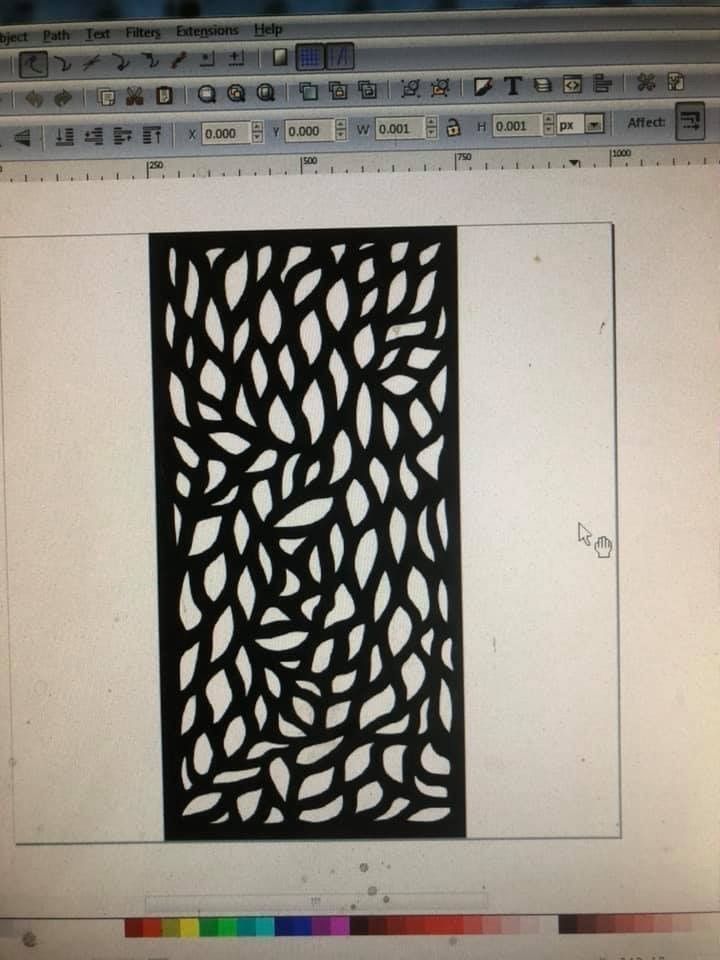
Railings, gates, signage, doors, structural supports, and heirloom furniture — every piece hand-forged in our Traverse City studio.
The Anatomy of Our Materials.
We select metals based on structural necessity, environmental exposure, and the desired aging process over decades.
Mild Steel
The backbone of structural metalwork. Malleable at critical temperatures, allowing for complex scrollwork and rigid, load-bearing architecture.
Architectural Bronze
Prized for its warm luster and corrosion resistance. Perfect for high-touch surfaces like custom door pulls, handrails, and marine-adjacent projects.
Copper
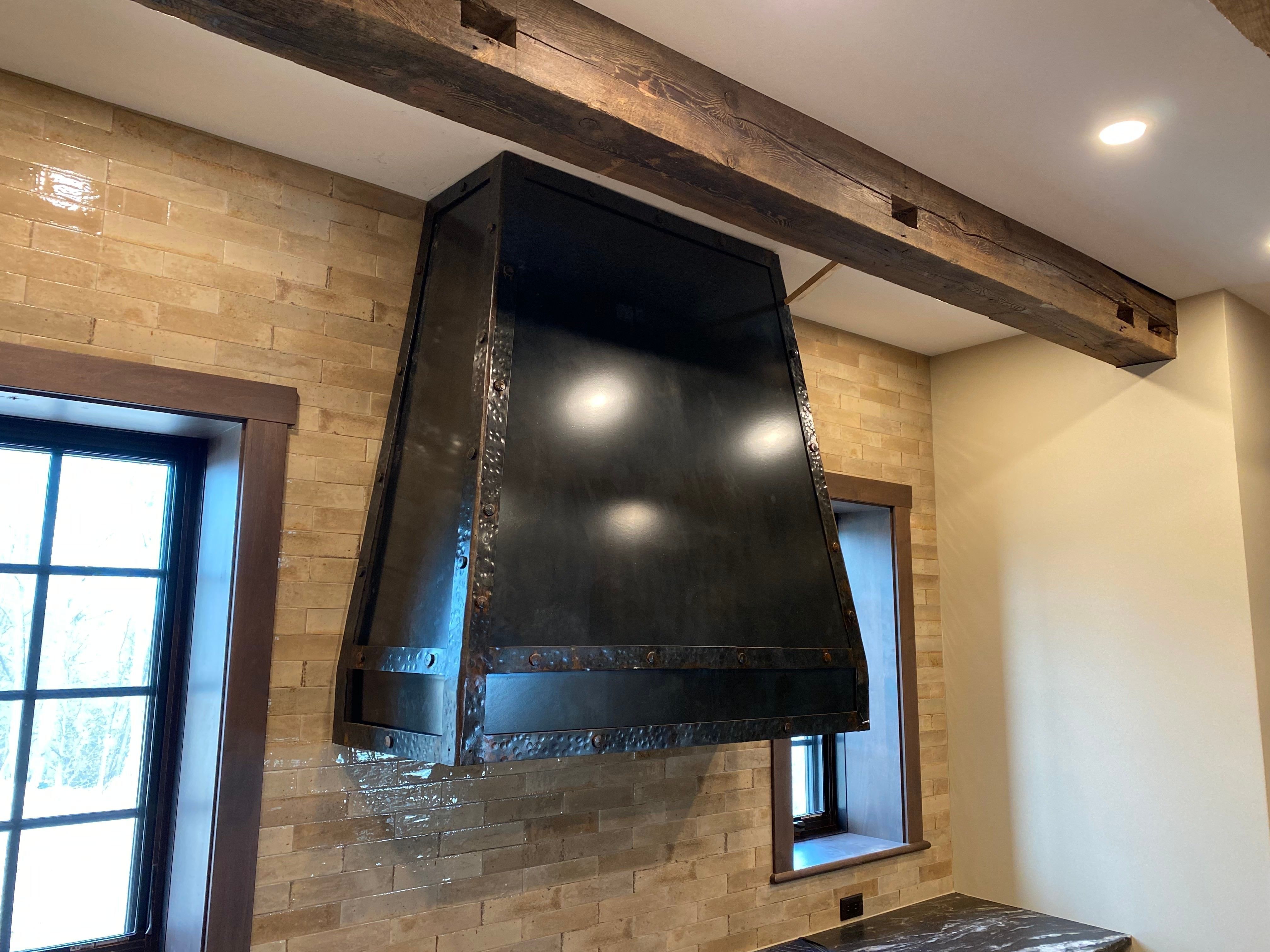
A living material that develops a distinct verdigris patina over time. Often used in bespoke range hoods, flashing, and decorative focal points.
Chemical Patinas
Instead of hiding the metal under plastic powder coats, we utilize hand-rubbed oils, waxes, and oxidizing acids to protect and highlight the raw material.
Serving Architecture & Design Partners
We collaborate directly with Northern Michigan builders, landscape architects, and interior designers on high-end residential and commercial build-outs. From structural steel staircases that require precise engineering to bespoke hardware that defines a room's character, we speak the language of blueprints and firm deadlines.
The Forge Feed.
Finished commissions straight from the shop floor to your feed.
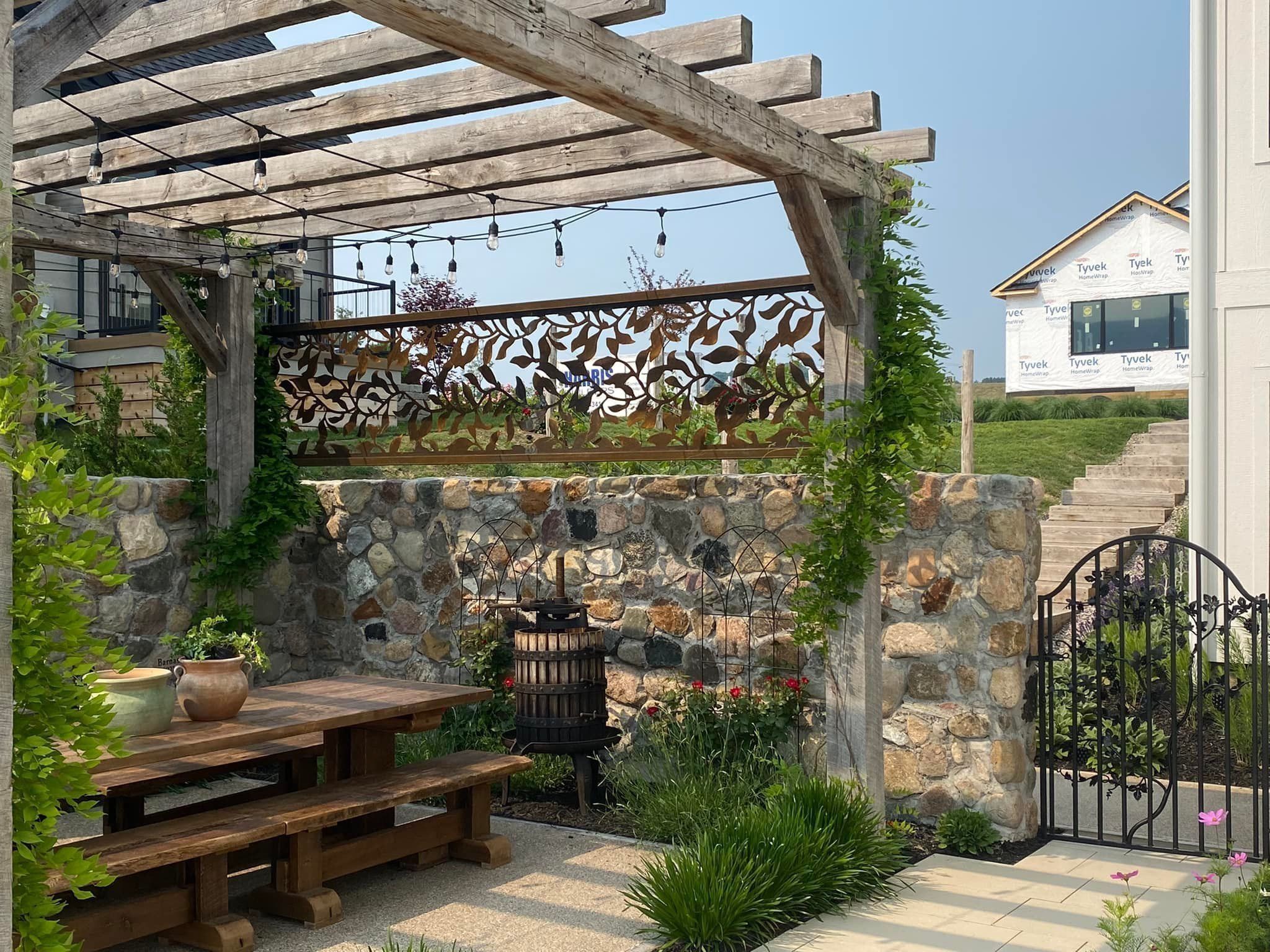
Floral scrollwork railing — forged for a lakefront estate in Leelanau County.
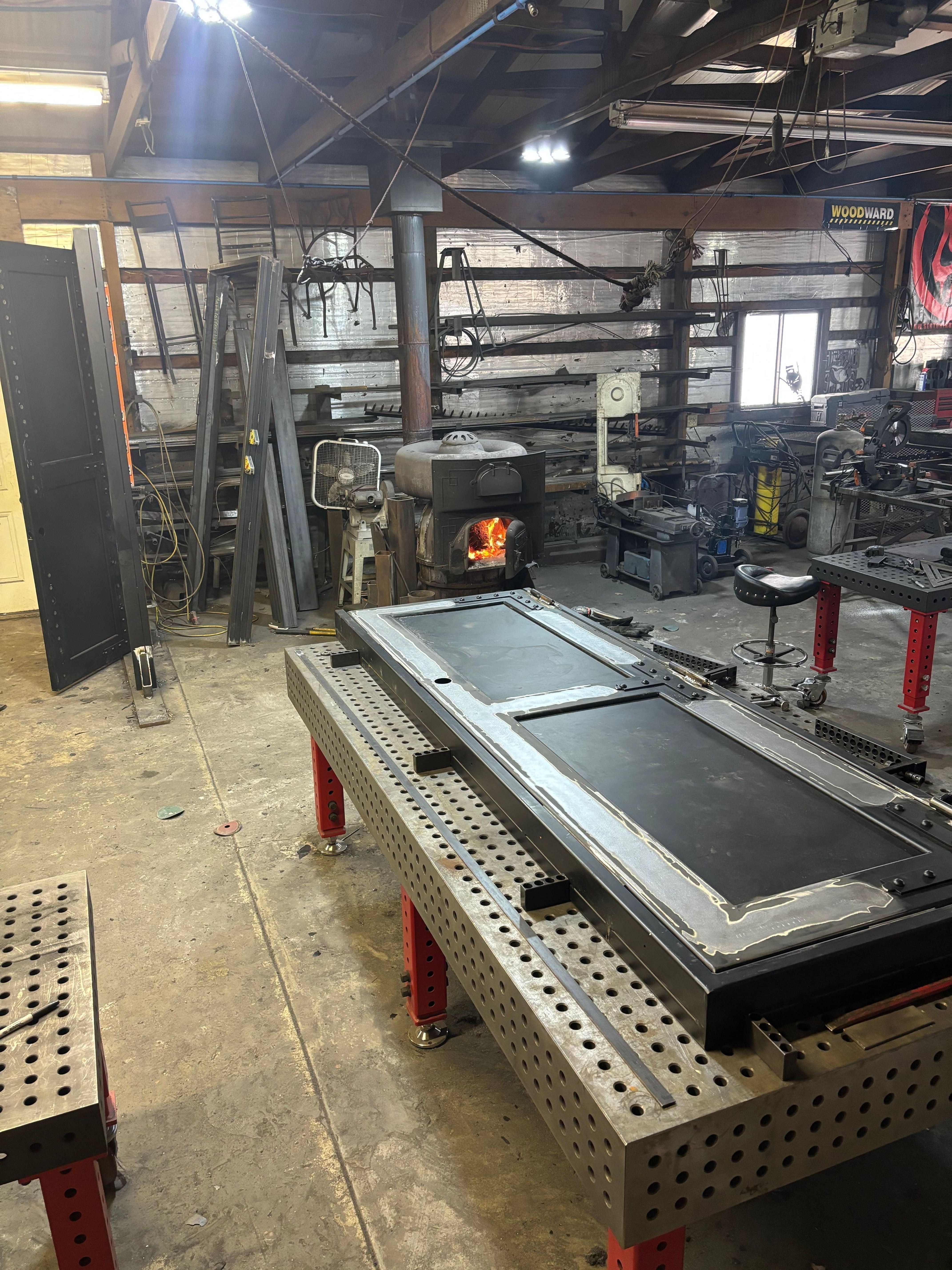
Bespoke steel entry door — solid bar stock, mortise-and-tenon joinery.
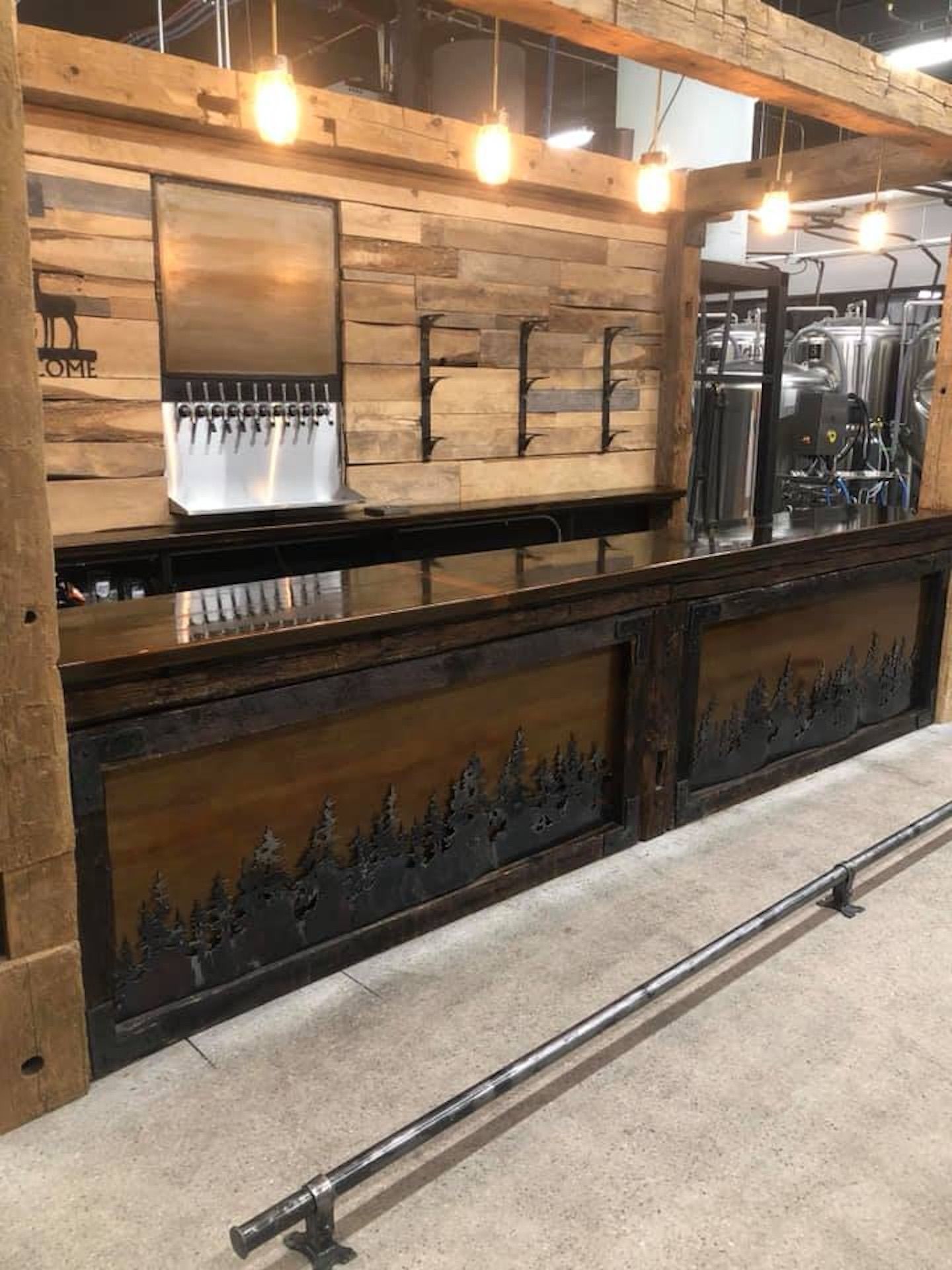
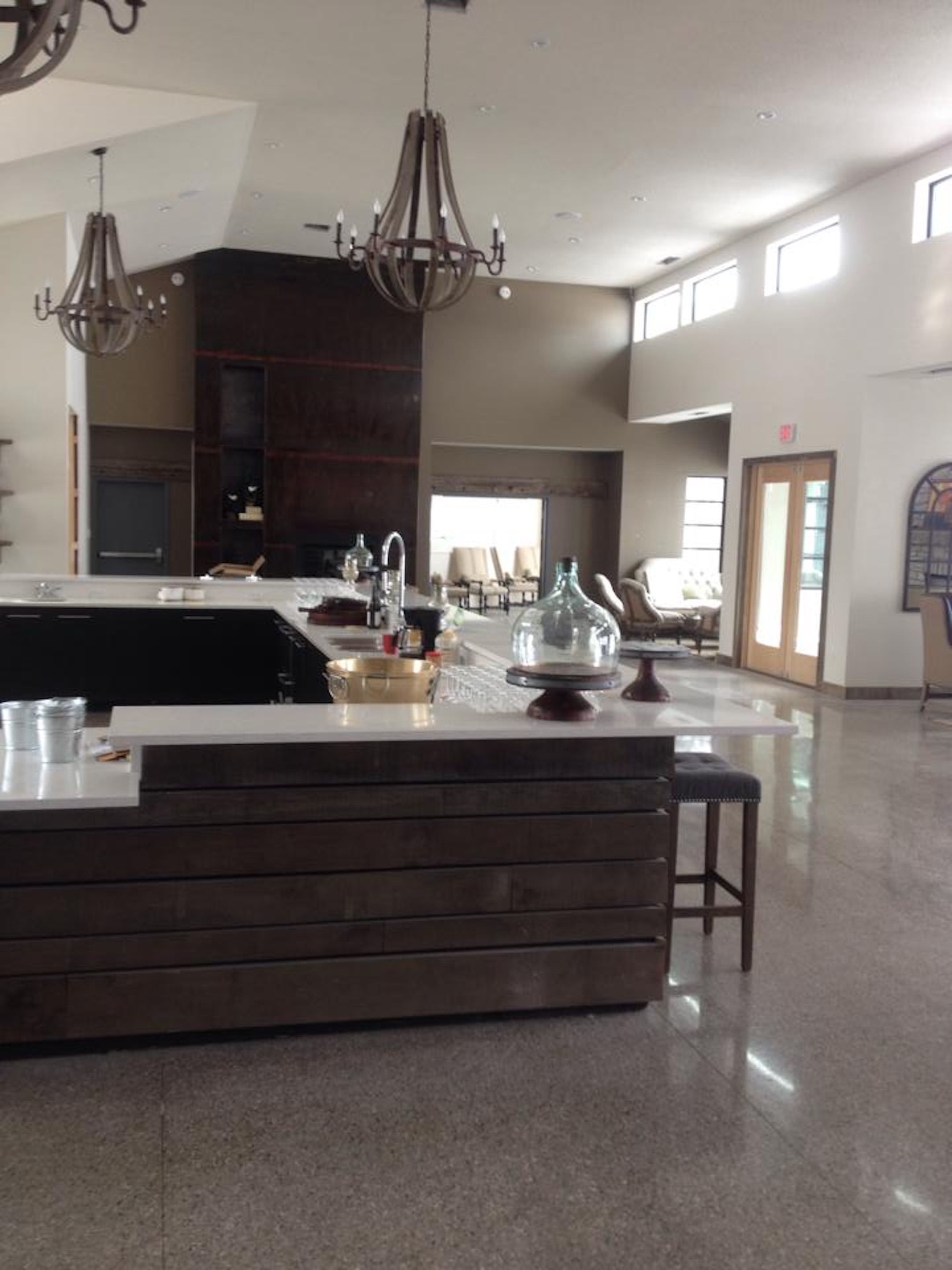
Silver Spruce Brewing — custom steel bar build and structural accents.
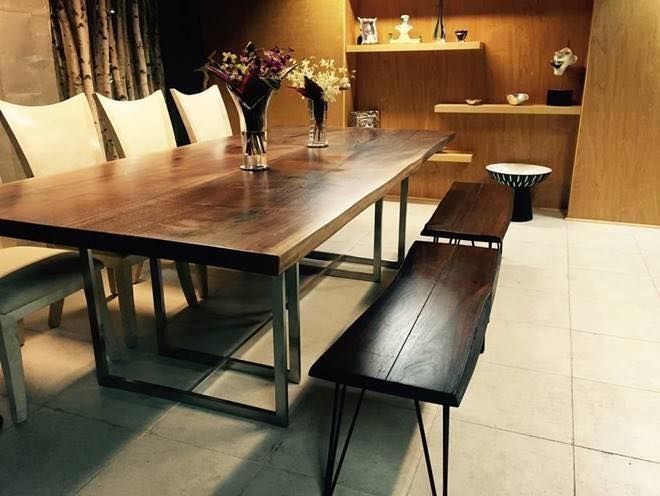
Heirloom dining set — forged steel base, reclaimed hardwood top.
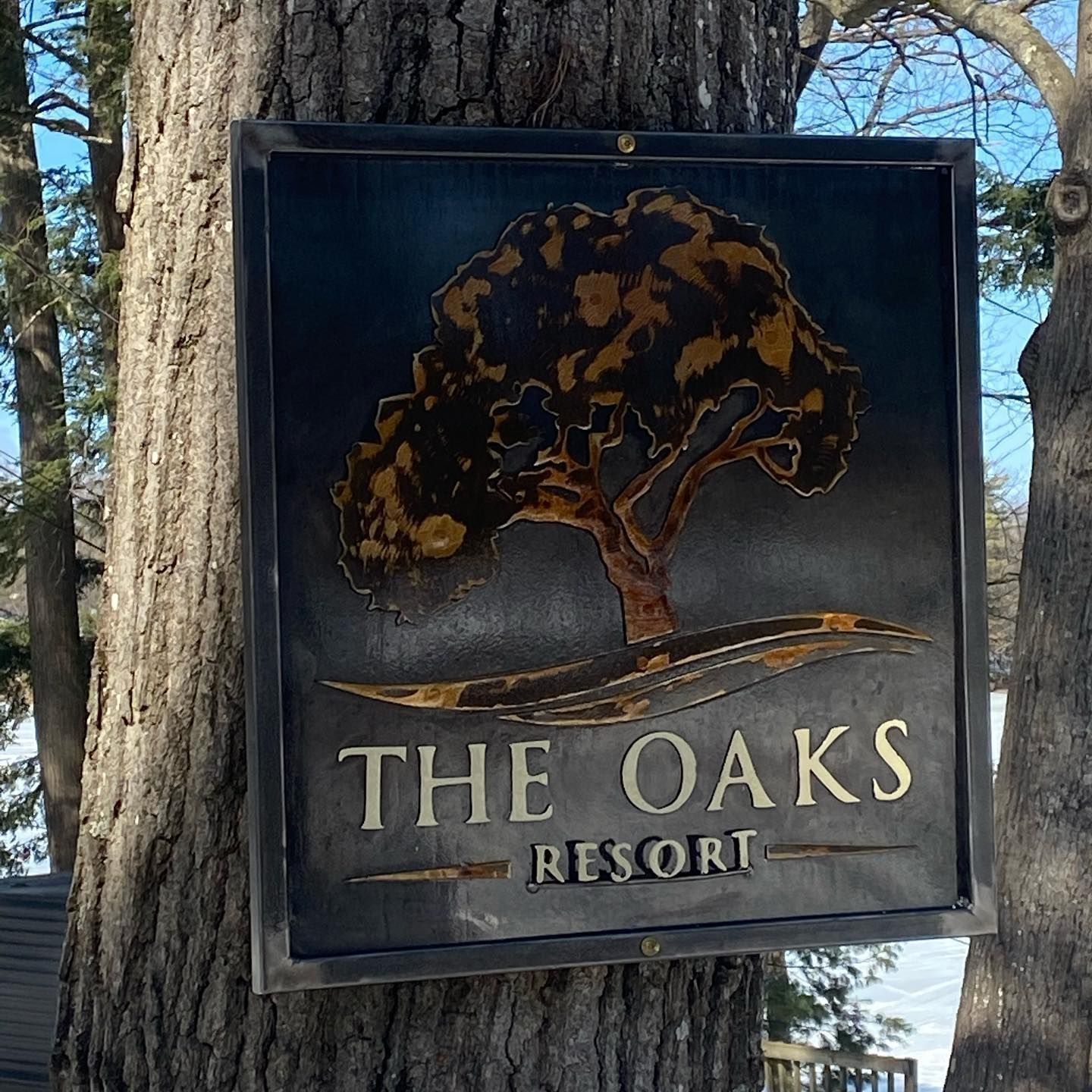
The Oaks — plasma-cut steel estate sign with rust patina finish.
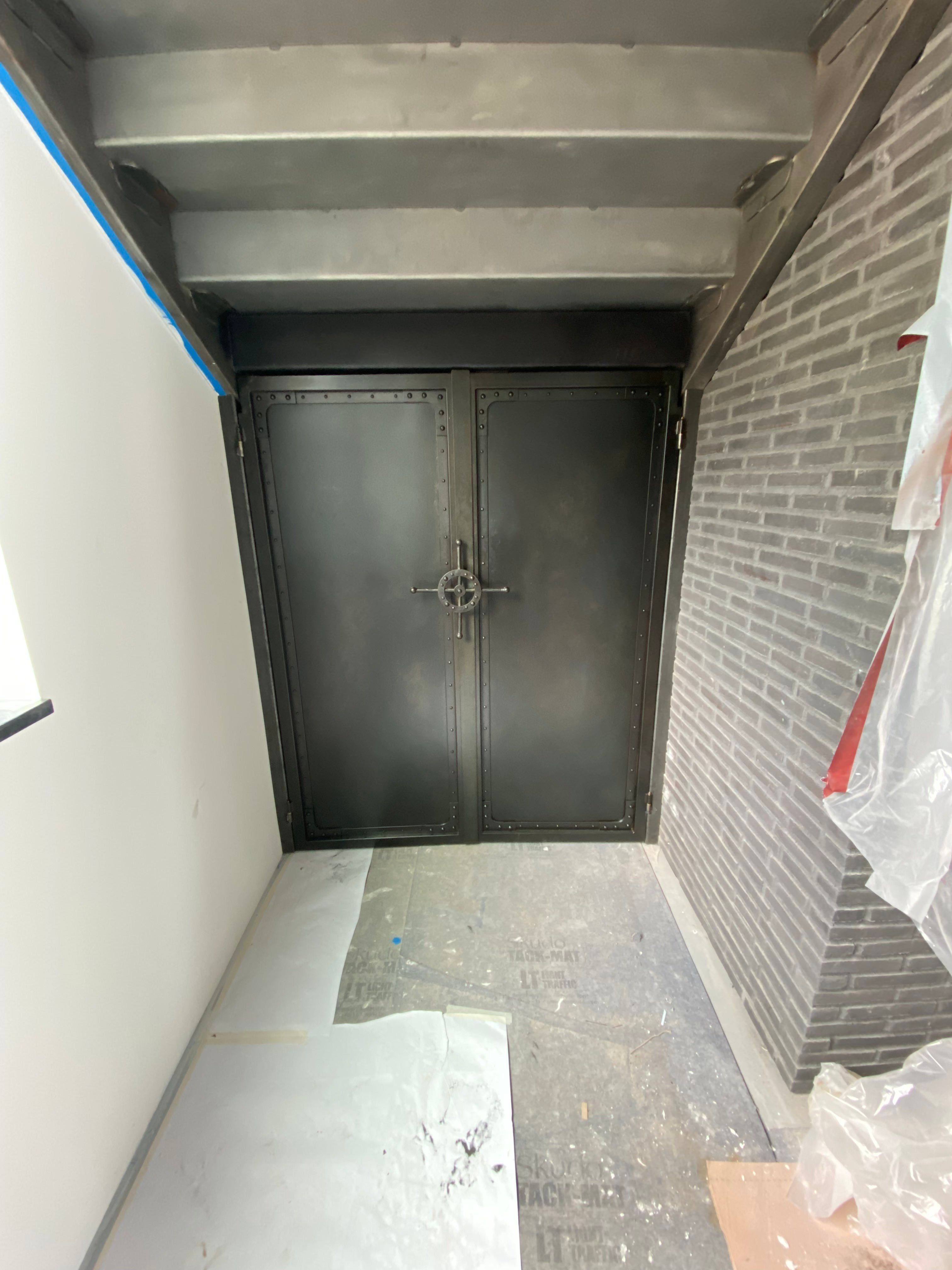
Full-scale vault door — 600 lbs of forged steel and bronze hardware.
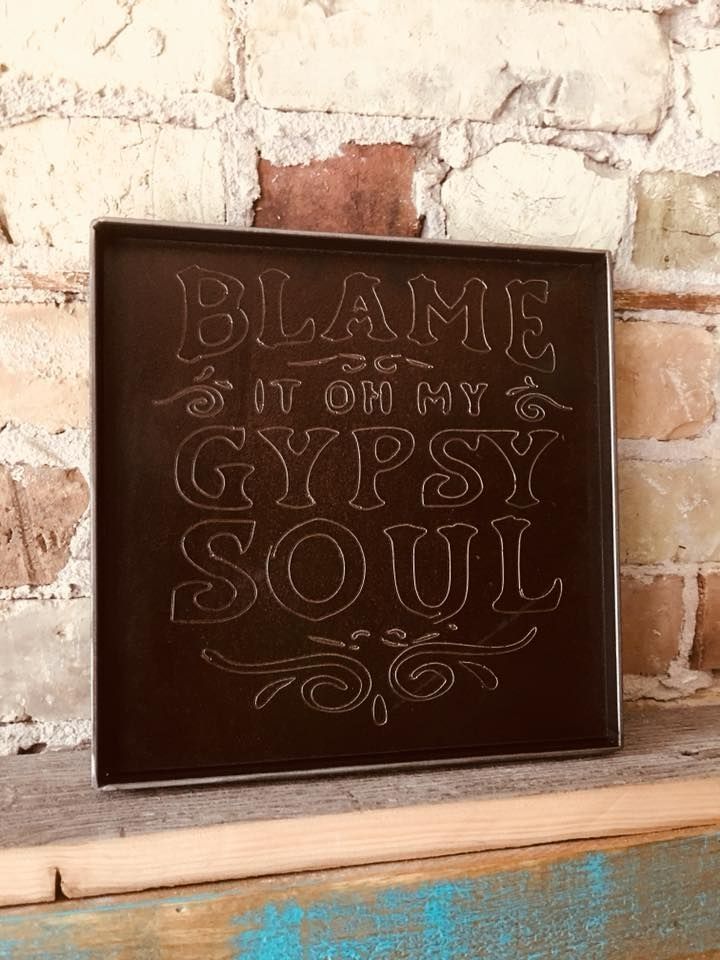
Gypsy Soul — architectural wall sculpture, hand-cut and forge-welded.
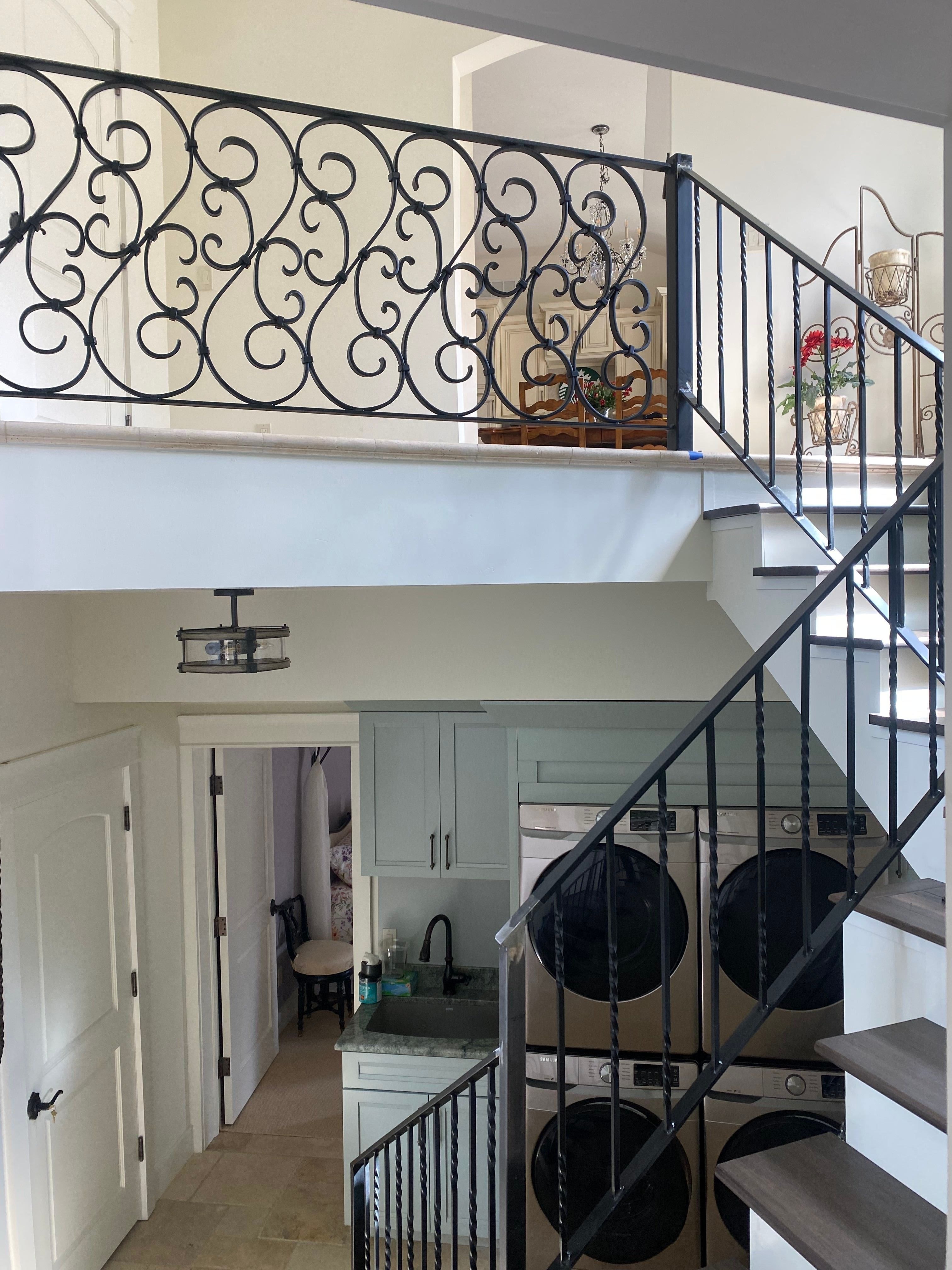
Interior stair railing — hand-forged balusters with oil-rubbed patina.
The Lost Art of Mechanical Joinery
While modern fabrication relies heavily on electric arc welding, true traditional craftsmanship utilizes mechanical joinery. This isn't just about historical accuracy; it produces a visual texture and structural integrity that a grinder can never replicate.
Hot Riveting: Fusing overlapping plates with steel rivets, heated to 2,000°F and hammered flat, creating a permanent, shrinking bind.
Mortise and Tenon: Passing one solid bar of steel entirely through another, precisely punched and drifted while red-hot.
Collaring: Forging custom steel bands wrapped tightly around intersecting balusters, favored in traditional French and Spanish ironwork.
“Matt didn't just build a railing, he anchored the entire architectural feel of our home.”— S. Reynolds
“The weight and precision of the bronze work took my breath away.”— T. Janson, Lead Architect
“25 years of experience shows in every hammer mark. Absolute perfection.”— M. Davies
Frequently Asked Questions
Commissioning Custom Metalwork
Do you install outside of Traverse City?
Yes. While our primary footprint covers Leelanau, Grand Traverse, and Benzie counties, we frequently travel statewide across Michigan for major architectural installations, and coordinate crating and freight delivery for nationwide furniture commissions.
How long does a custom steel railing take to build?
A standard architectural railing commission typically spans 8 to 12 weeks from finalized design and 50% deposit to final installation. The exact timeline depends on current forge capacity and the complexity of the traditional joinery involved.
Will the raw steel rust if used outdoors?
Bare exposed steel will inevitably return to iron oxide (rust). For exterior applications, we utilize hot-dip galvanizing followed by specialized marine-grade patinas, or we recommend switching materials to architectural bronze or aluminum, ensuring longevity even in harsh Northern Michigan winters.
Forged in Northern Michigan
Based in Traverse City, serving Grand Traverse, Leelanau, and the surrounding counties with heavy, hand-crafted metalwork designed for the harsh coastal winters.