
Matt Coffey Design specializes in railings, fences, and gates using traditional hand-forging techniques. Railings, fences, and gates represent the intersection of safety and statement-making design. Unlike mass-produced aluminum alternatives that rattle in the wind and corrode within seasons, hand-forged... Browse 9 portfolio pieces below.
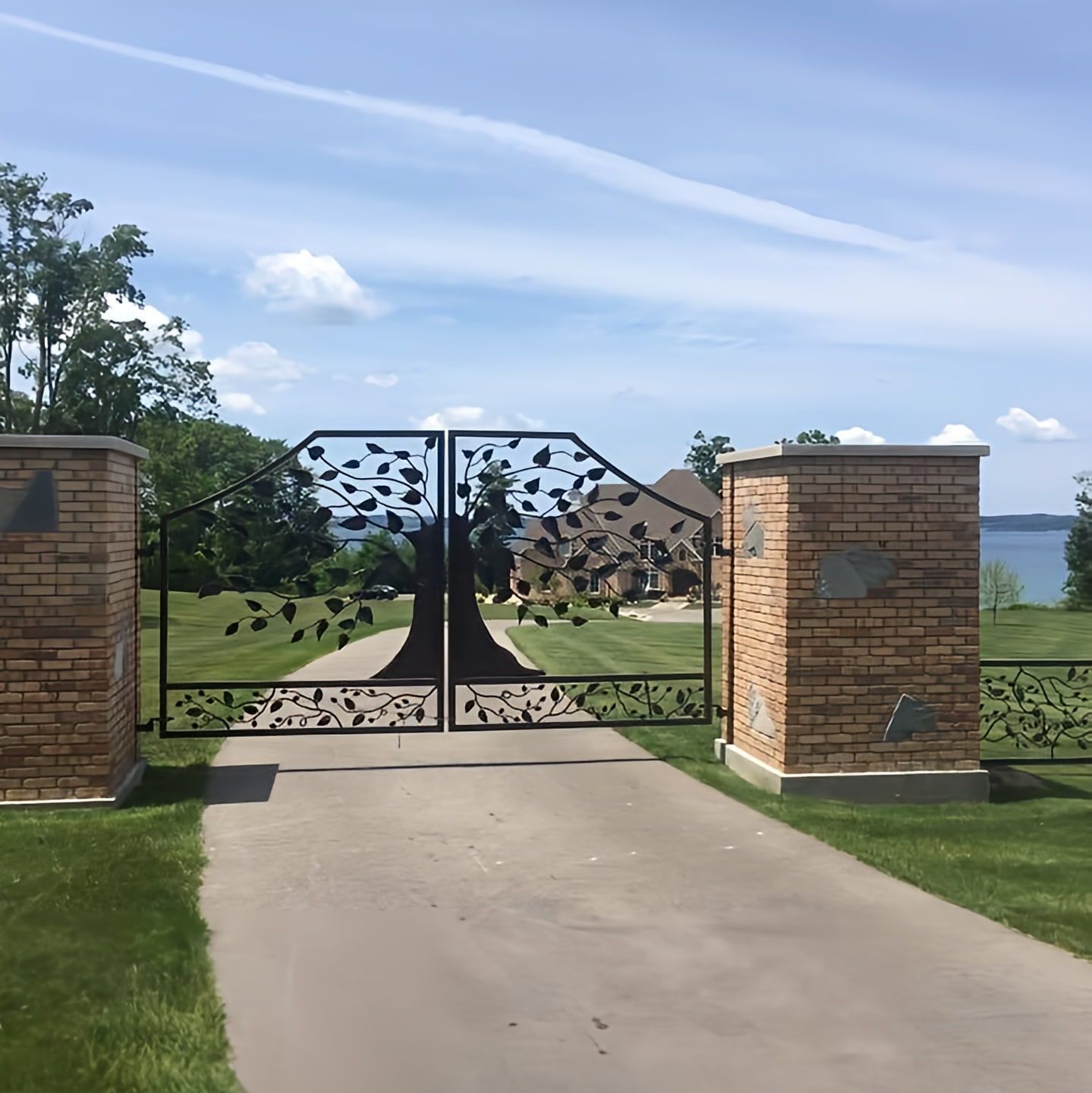
Railings, Fences, and Gates
Architectural metalwork that defines boundaries with absolute authority
What is Railings, Fences, and Gates?
Railings, fences, and gates represent the intersection of safety and statement-making design. Unlike mass-produced aluminum alternatives that rattle in the wind and corrode within seasons, hand-forged steel installations from my Traverse City forge are engineered to last generations. Every piece begins as raw stock—mild steel, stainless, or wrought iron—that I heat to 2,000+ degrees and shape using traditional blacksmithing techniques refined over 25 years at the anvil.
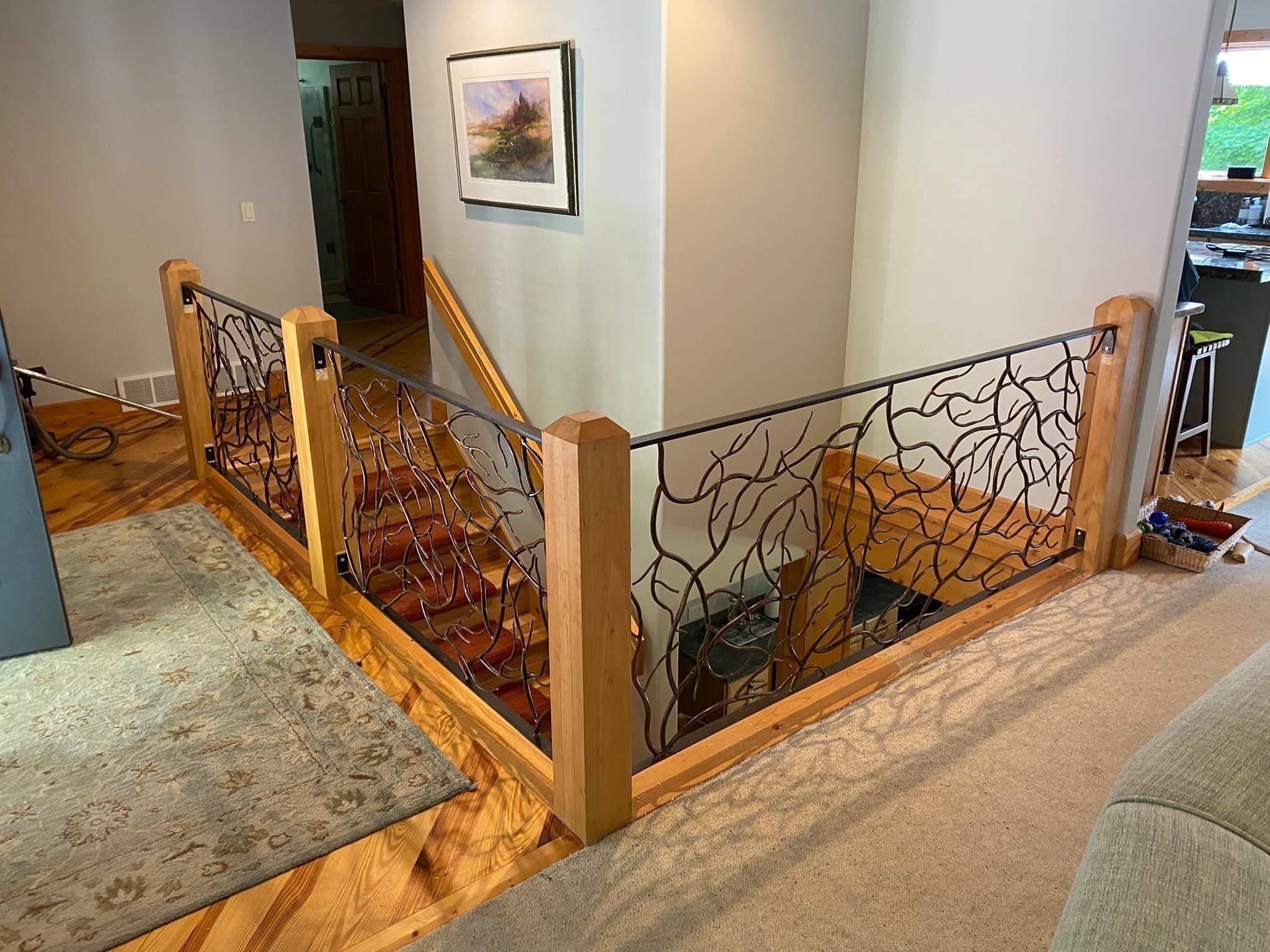
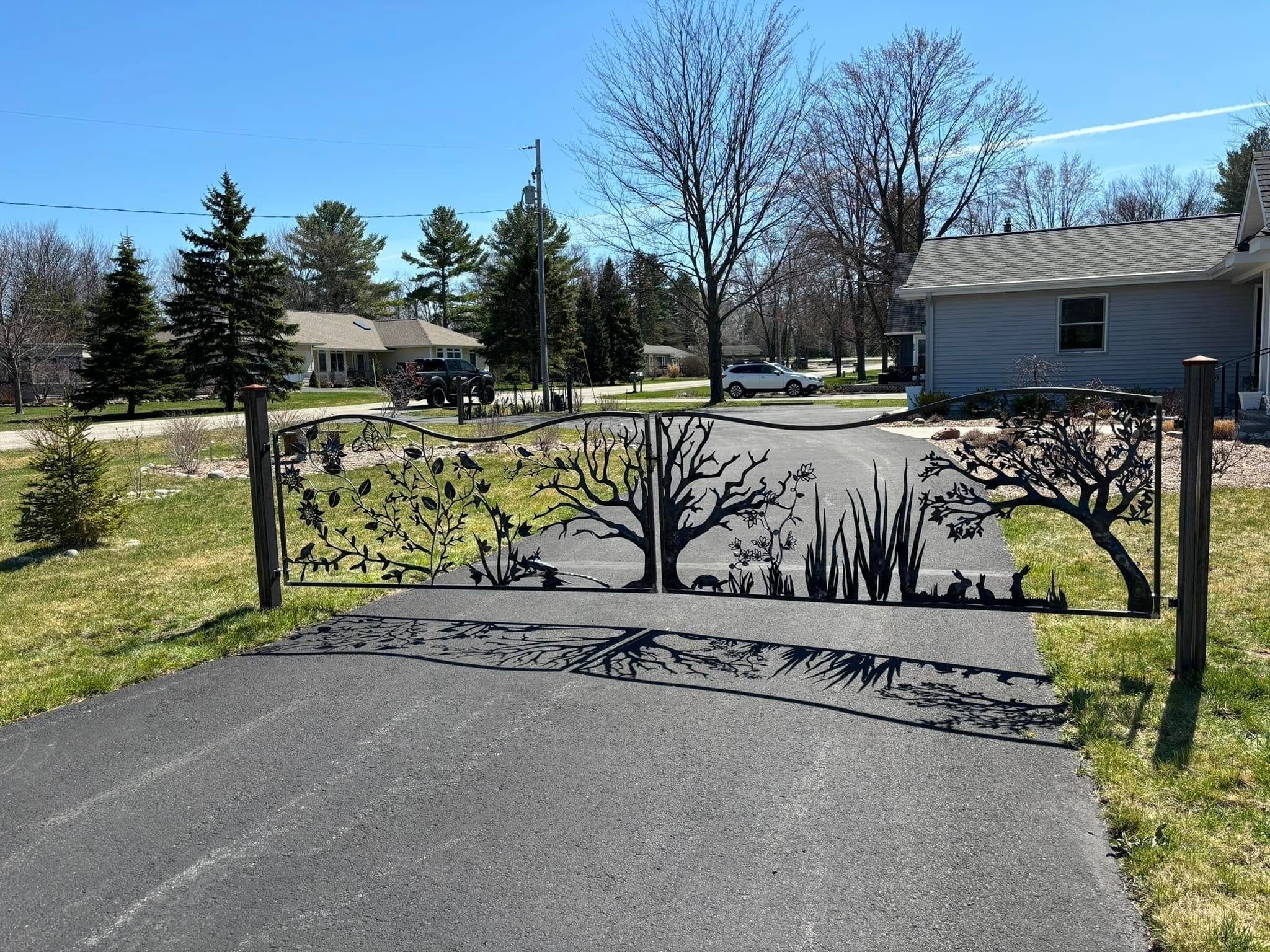
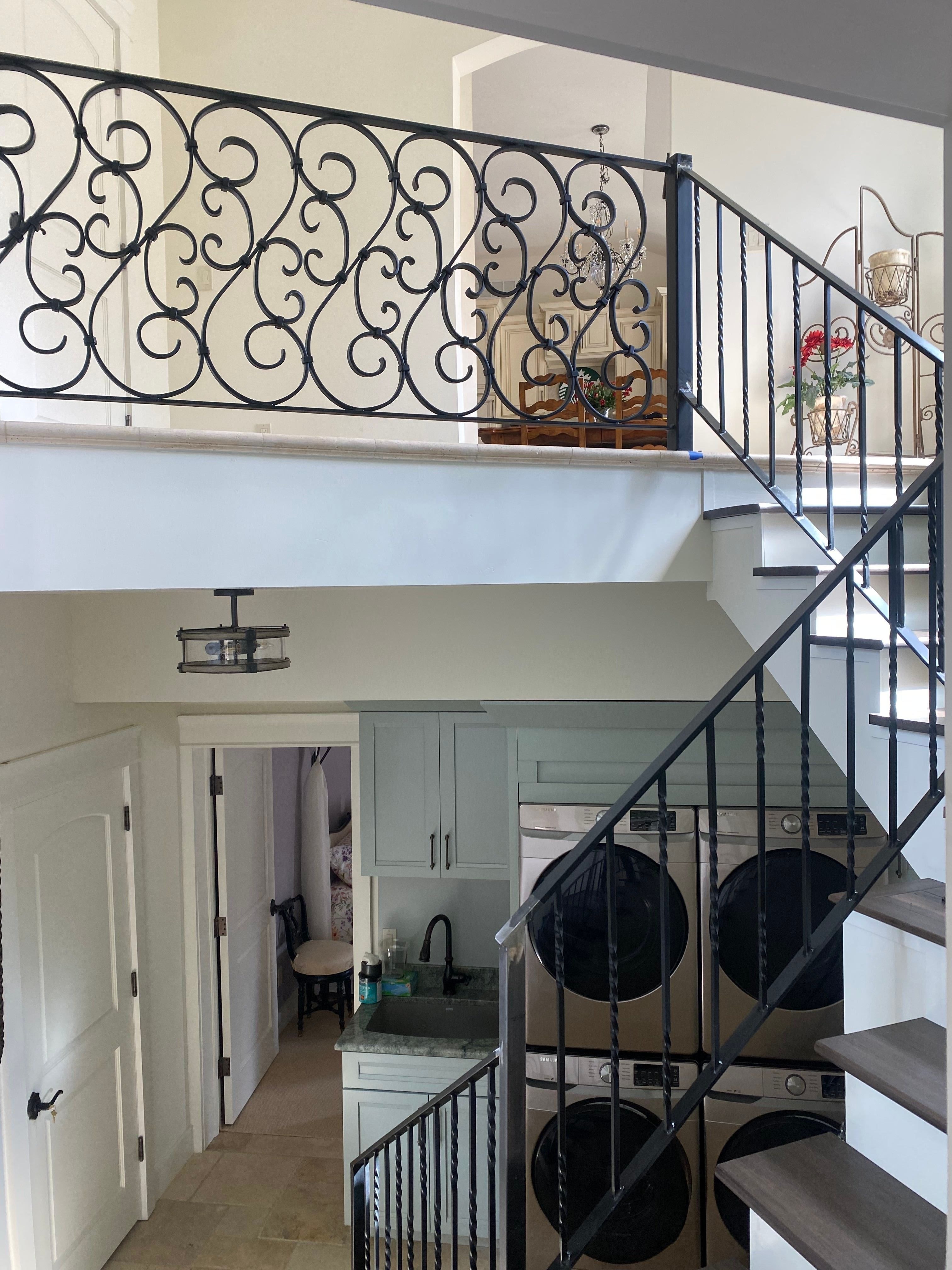
A railing is not merely a safety barrier; it dictates the physical boundary of a space with architectural precision. From sweeping spiral staircases in Lake Leelanau estates to heavy-duty perimeter fencing for Northern Michigan farms, each run is forged to exact dimensions that integrate seamlessly with wood, stone, glass, and modern building materials. Gates serve as the handshake of a property—they must swing with engineered precision while carrying the aesthetic weight of the estate, whether that means intricate scrollwork, nature-themed cutouts, or minimalist industrial lines.
Why Railings, Fences, and Gates Matters
In Northern Michigan, where lake-effect snow, freeze-thaw cycles, and salt spray from winter roads create punishing conditions for outdoor metalwork, material selection and finishing technique matter more than aesthetics alone. Powder coating provides a baked-on protective layer, but traditional oil-rubbed or chemically-induced patinas penetrate deeper into the steel grain, creating a finish that ages beautifully while maintaining structural integrity.
The difference between a railing that lasts 10 years and one that lasts 100 comes down to joinery. While welded joints dominate modern fabrication, traditional mortise-and-tenon connections combined with structural riveting create mechanical bonds that flex with temperature changes rather than cracking. For high-traffic commercial installations or multi-generational family homes, this longevity justifies the investment in master craftsmanship over commodity manufacturing.
Code compliance is non-negotiable for architectural railings. All structural installations include stamped engineering calculations and adhere to IBC (International Building Code) requirements for height, spacing, and load-bearing capacity. Whether you're a homeowner seeking peace of mind or a contractor needing documentation for permit approval, every railing installation includes the paperwork required for legal compliance.
Materials & Finishes
Material selection depends on environment, aesthetic goals, and budget. Outdoor pieces require weather-resistant materials like Cor-Ten or stainless steel. Indoor work offers more flexibility with bronze, copper, and raw steel finishes.
Typical Use Cases
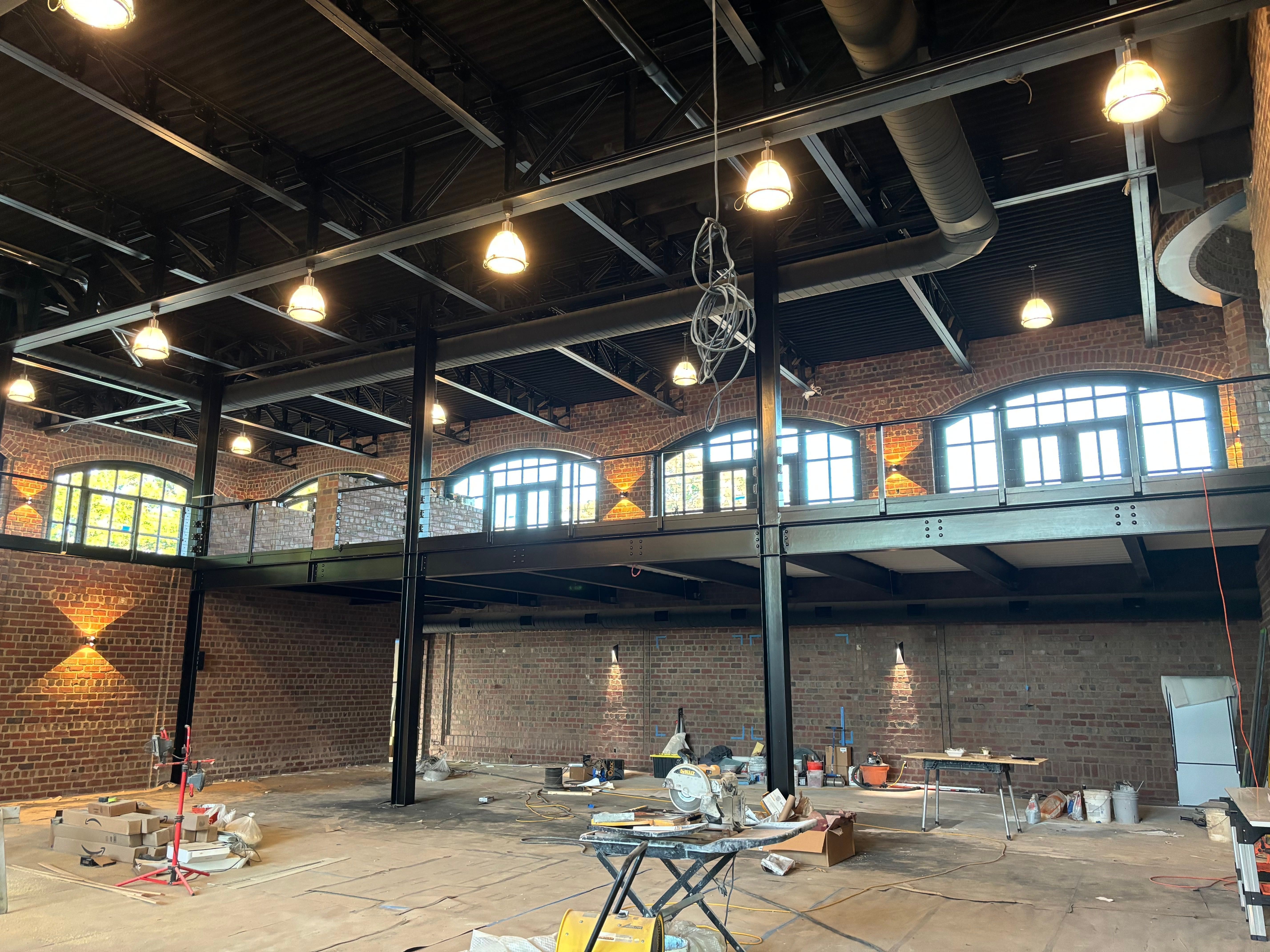
- Interior spiral staircases and balcony guards
- Exterior deck and porch railings
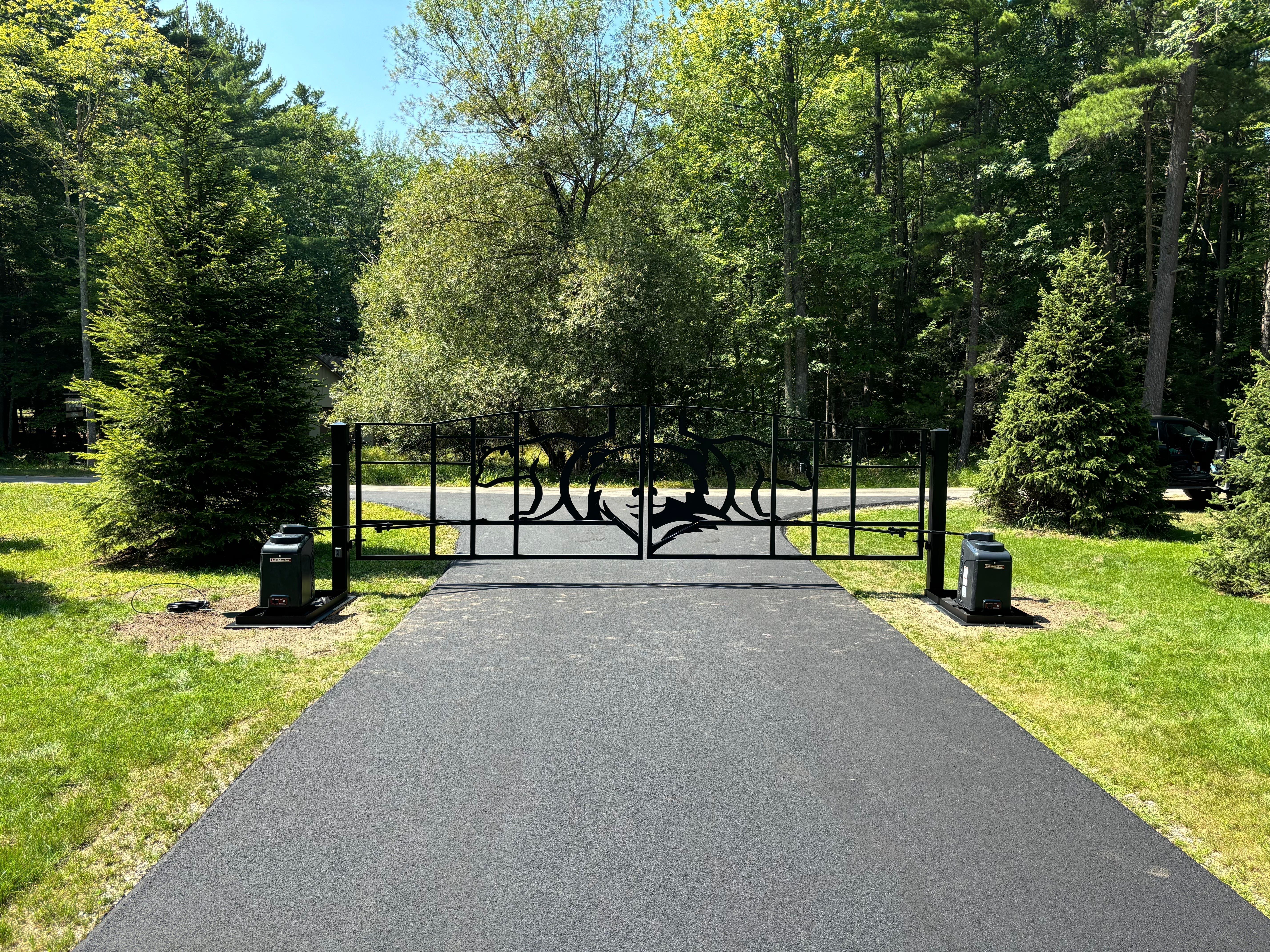
- Driveway entry gates (single or double swing)
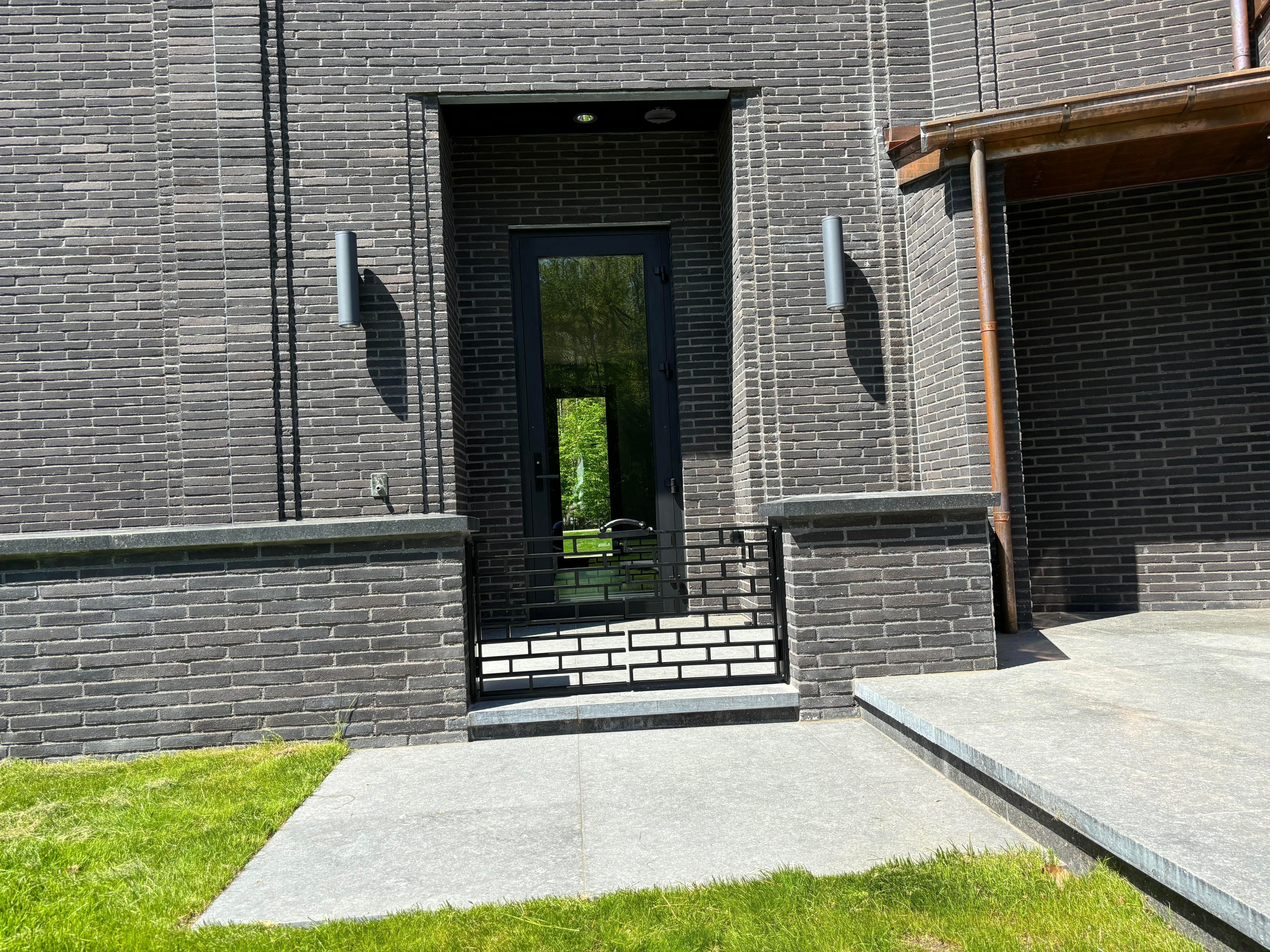
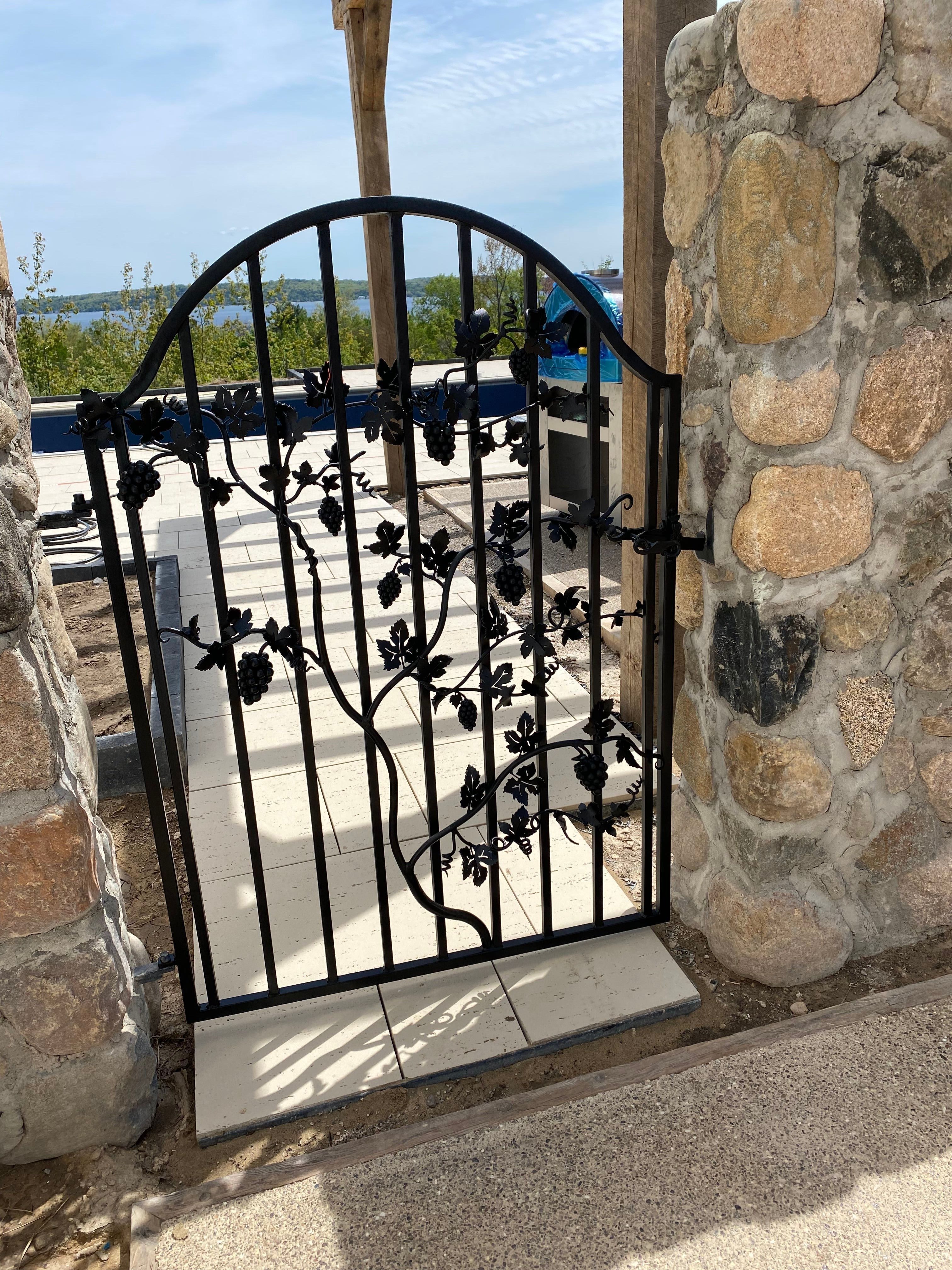
- Pedestrian walkway gates and garden entries
- Pool enclosures and safety barriers
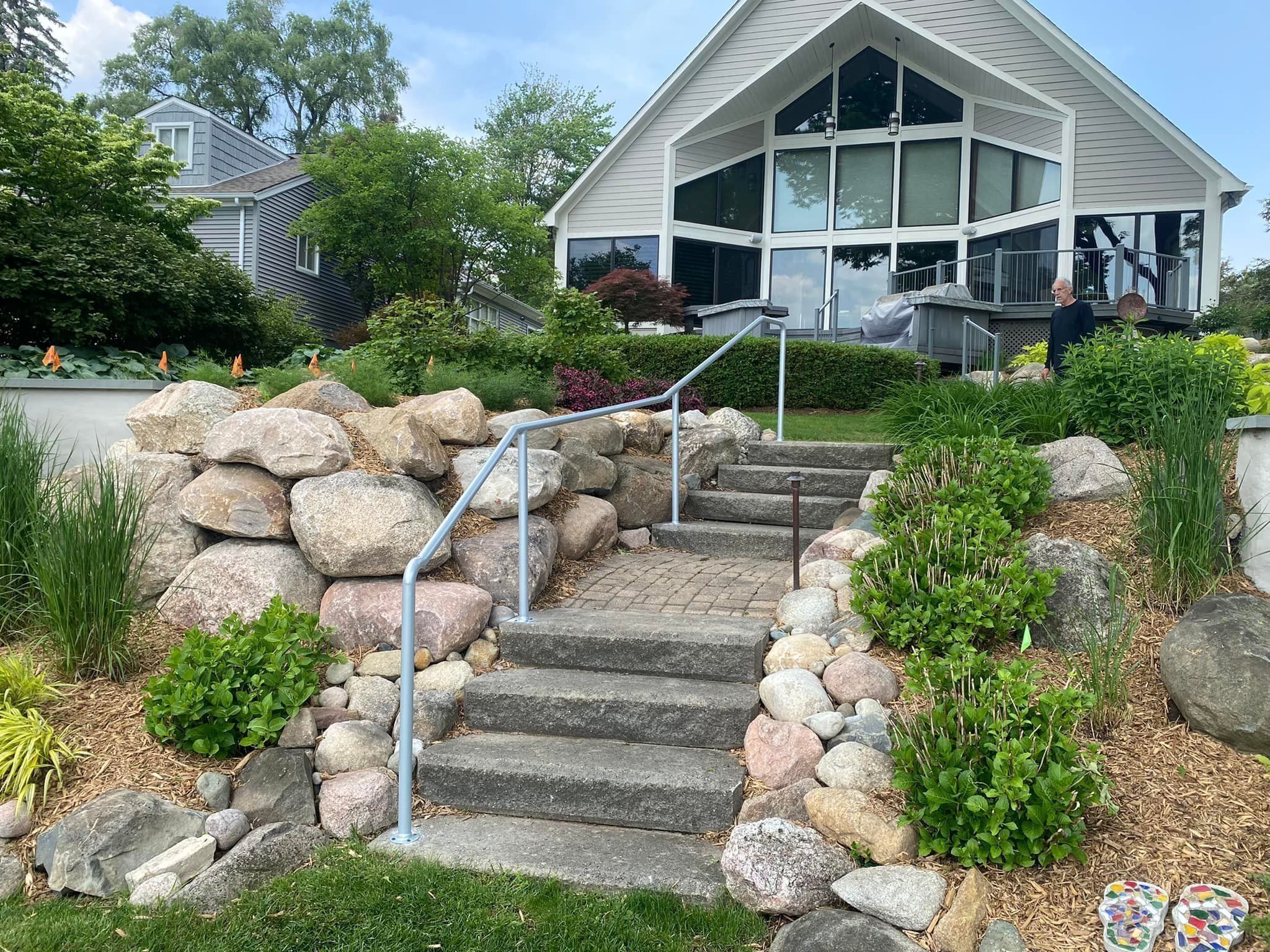
- Commercial guardrails and ADA-compliant handrails
Understanding the difference between master craftsmanship and commodity fabrication
| Attribute | Hand-Forged | Fabricated |
|---|---|---|
| Joinery | Traditional mortise/tenon, riveting | Welded joints only |
| Scrollwork | Hand-hammered; organic variation | Machine-bent; uniform curves |
| Longevity | 100+ years with maintenance | 10–20 years before failure |
| Repairability | Individual elements replaceable | Often requires full replacement |
| Value | Appreciating asset; heirloom quality | Depreciating consumable product |
Railings, Fences, and Gates Portfolio
9 hand-forged pieces • Click any piece to view full details
Railings, Fences, and Gates FAQs
Do custom steel railings rust in Northern Michigan winters?
When properly protected with zinc primer and baked-on powder coat or deep-penetrating oil finishes, steel railings resist rust even in harsh lake-effect snow zones. The key is proper drainage design—water must not pool in crevices. I engineer all outdoor installations with weep holes and slope considerations.
How long does a custom gate take to build?
Driveway gates typically require 8–12 weeks from design approval to installation. Pedestrian gates move faster at 6–8 weeks. Timeline factors include complexity of scrollwork, automation requirements (motorized openers), and integration with existing masonry or wood posts.
Can you match an existing historical gate or railing style?
Yes. Using traditional blacksmithing techniques including hand-forging, mortise-and-tenon joinery, and riveting, I can recreate historical styles from photographs or physical remnants. This is particularly valuable for historic home renovations and preservation projects.
Do you handle the installation or just fabrication?
I handle both fabrication and installation for all projects within Northern Michigan (Grand Traverse, Leelanau, Antrim, and Benzie counties). For out-of-state clients, I can fabricate crated components with detailed installation instructions for local contractors.
Ready to start your railings, fences, and gates project?
Every piece in the gallery above started as a conversation. Bring your dimensions, sketches, or simply an idea of what you need. I'll help engineer the solution and forge it at the anvil in Traverse City.