Matt Coffey Design specializes in behind the scenes using traditional hand-forging techniques. Behind the scenes photography and documentation offers a window into the craft that produces the finished pieces in my portfolio. These images capture the forge at 2,000 degrees, the shower of sparks ... Browse 3 portfolio pieces below.
Behind the Scenes
The process, the forge, and the making of metal mastery
What is Behind the Scenes?
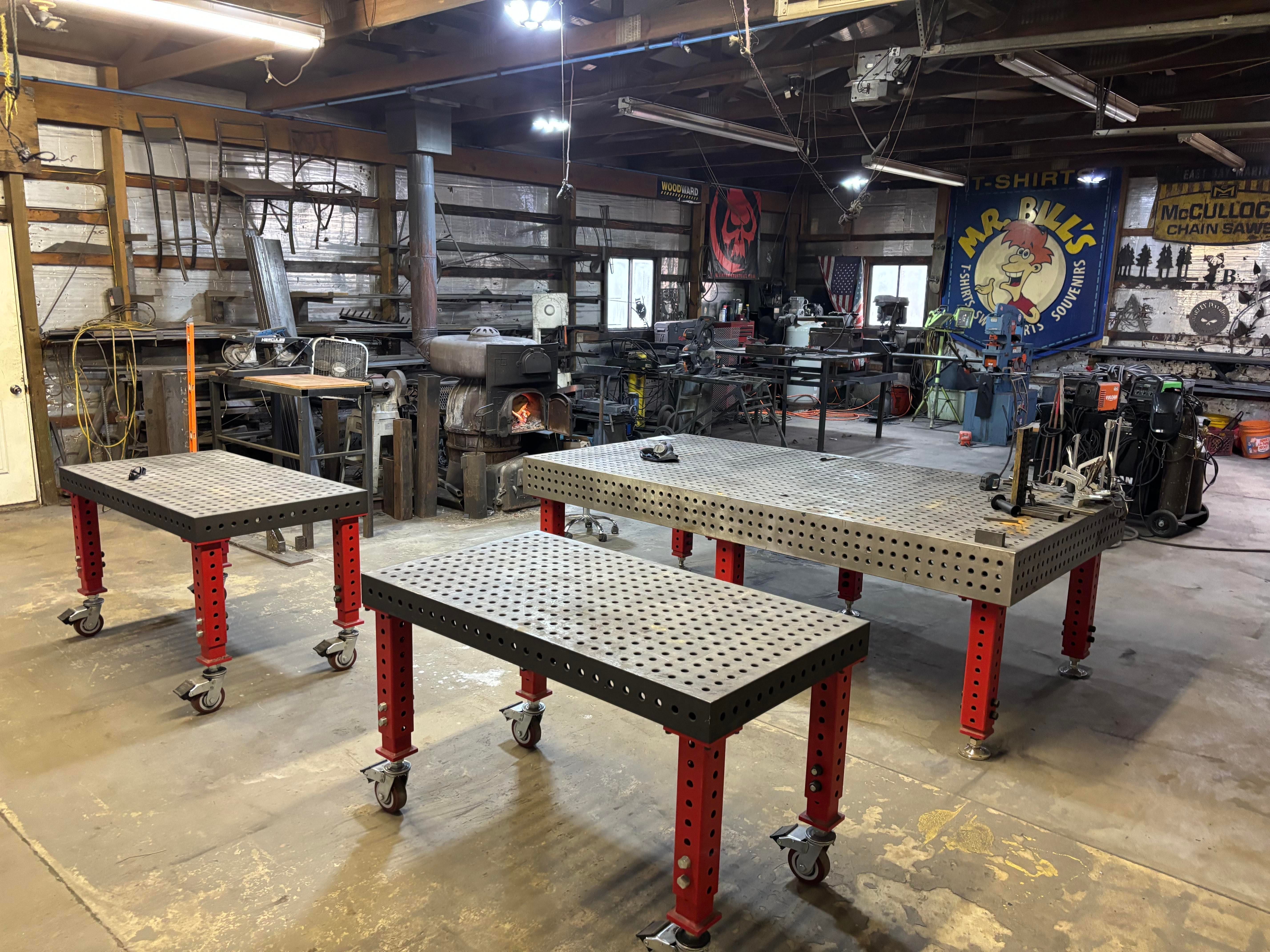
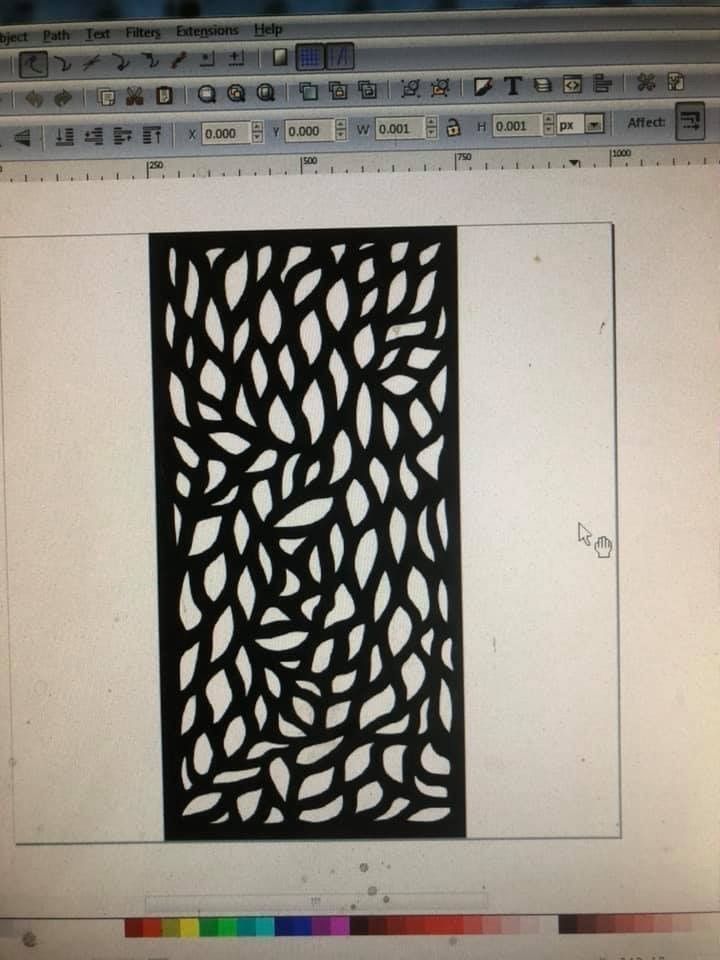
Behind the scenes photography and documentation offers a window into the craft that produces the finished pieces in my portfolio. These images capture the forge at 2,000 degrees, the shower of sparks from angle grinders, the careful layout of complex cuts, and the quiet moments of detailed finishing work that transform raw steel into finished art.
Unlike other categories showcasing completed installations, this collection reveals the process—the hours of heating, hammering, grinding, welding, and finishing that precede delivery. For clients considering custom commissions, these process images provide insight into the craftsmanship that justifies investment in hand-forged work over mass-produced alternatives. For fellow craftspeople and enthusiasts, they document techniques ranging from traditional blacksmithing to modern fabrication.
Why Behind the Scenes Matters
Understanding process builds appreciation for product. A railing that appears simple in its final form may represent 40 hours of heating, bending, and joining individual scrolls. A gate that seems effortlessly elegant required careful engineering to swing properly while carrying aesthetic weight. Process photography makes this labor visible, helping clients understand what separates master craftsmanship from commodity fabrication.
Educational value extends beyond marketing. I regularly host workshops, mentor apprentices, and collaborate with design professionals who benefit from understanding how forged metalwork differs from cast, stamped, or bent alternatives. Documenting techniques—from riveting to patina application—preserves knowledge and elevates the craft.
Transparency matters in an era of automation and offshore manufacturing. These images prove that work marketed as "hand-forged" truly is—photographed in my Traverse City workshop, created by me personally rather than outsourced to fabricators or imported from overseas. For clients investing significant resources in custom architectural metalwork, this transparency builds trust.
Materials & Finishes
Material selection depends on environment, aesthetic goals, and budget. Outdoor pieces require weather-resistant materials like Cor-Ten or stainless steel. Indoor work offers more flexibility with bronze, copper, and raw steel finishes.
Typical Use Cases
- Client education and transparency
- Portfolio storytelling
- Technique documentation
- Apprentice training materials
- Social media content
- Professional collaboration
Behind the Scenes Portfolio
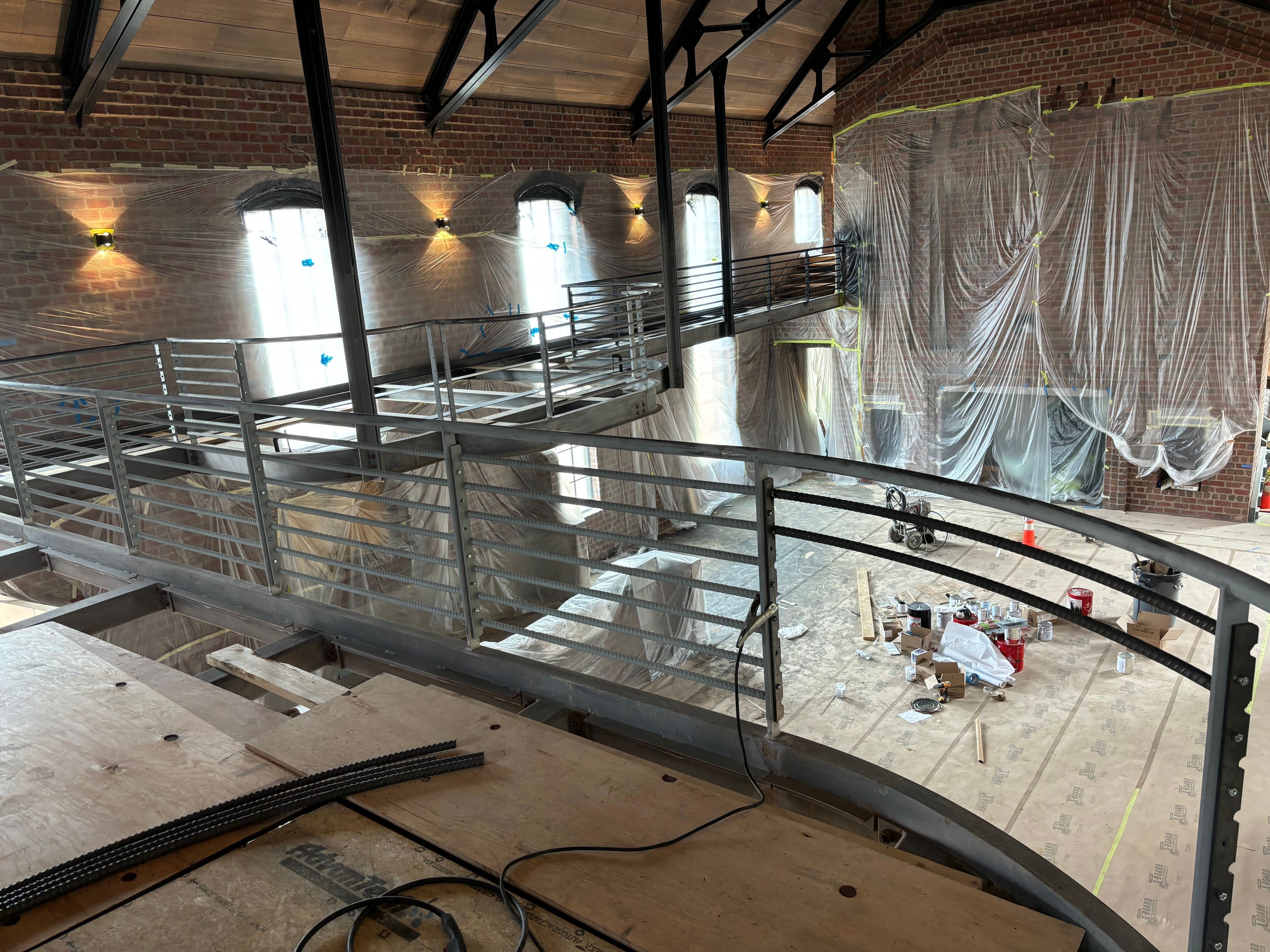
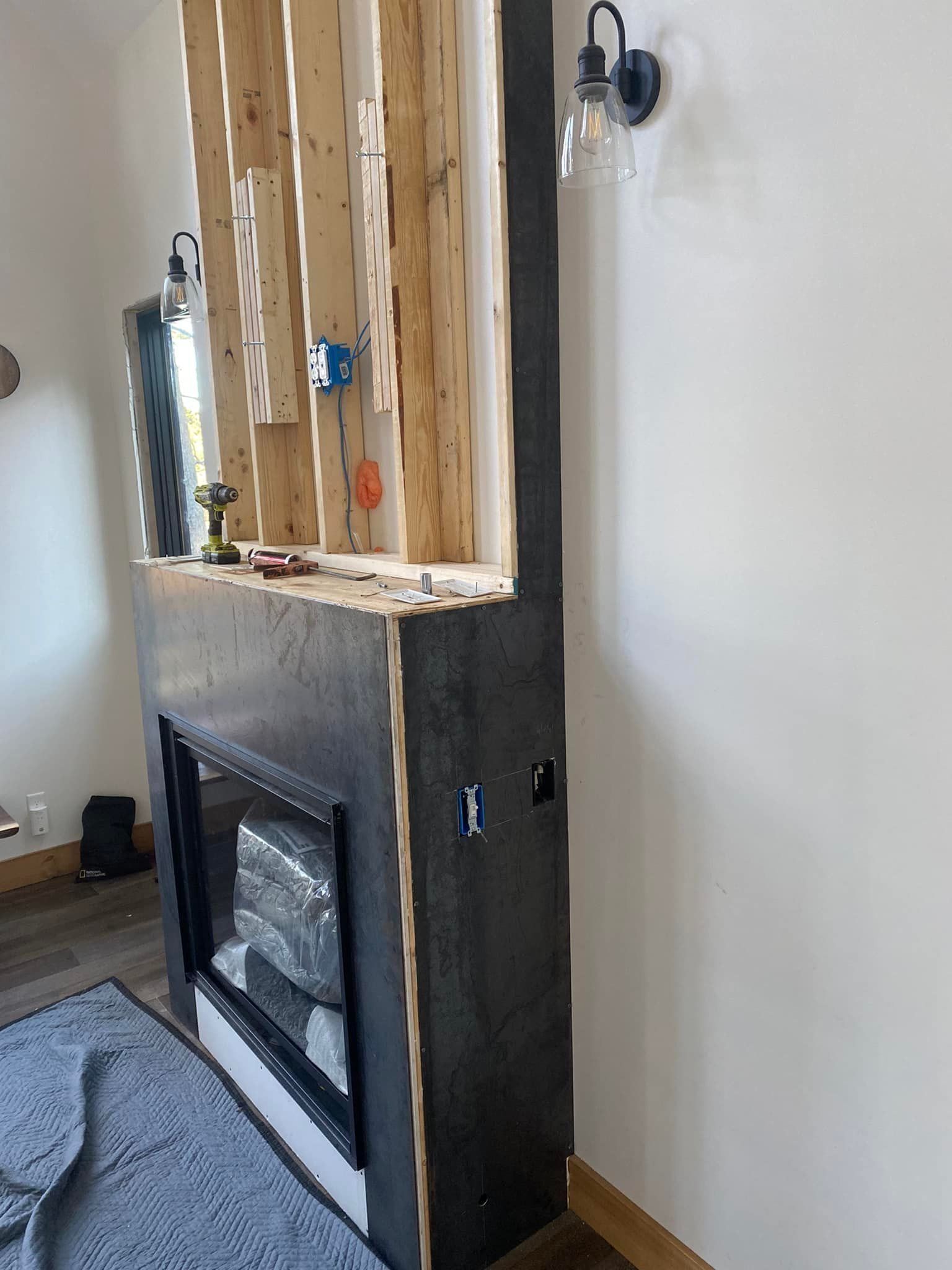
3 hand-forged pieces • Click any piece to view full details
Behind the Scenes FAQs
Can I visit the workshop?
I welcome client visits by appointment during business hours. Seeing the forge, equipment, and work-in-progress helps clients understand the scale and capability of my operation. Contact me to schedule a visit.
Do you offer workshops or classes?
I occasionally offer introductory blacksmithing workshops for small groups. These sessions cover forge safety, heating technique, and basic hammer control. Sign up for my newsletter to hear about upcoming classes.
Will you document my project being made?
Yes. All commissions include process photography at key stages—initial layout, forge work, assembly, and finishing. These images become part of your project documentation and my portfolio.
How do traditional and modern techniques combine?
The best metalwork leverages both. Traditional hand-forging creates curves and textures impossible to machine. Modern TIG welding provides precision joints for structural elements. Computer layout ensures accuracy. The craft lies in knowing which technique serves each element of a design.
What equipment is in your workshop?
The forge includes a 200-pound Peter Wright anvil from the early 1900s, a propane forge capable of 2,300 degrees, hydraulic presses for controlled forming, TIG and MIG welding equipment, various grinders and saws, and a complete metal finishing setup for patinas and coatings.
Ready to start your behind the scenes project?
Every piece in the gallery above started as a conversation. Bring your dimensions, sketches, or simply an idea of what you need. I'll help engineer the solution and forge it at the anvil in Traverse City.